



Clinical Case
Sep 14, 2026
/ Clinical Cases / Post-orthodontic esthetic refinement with 3M™ Filtek™ Easy Match Universal Restorative
May 1, 2026
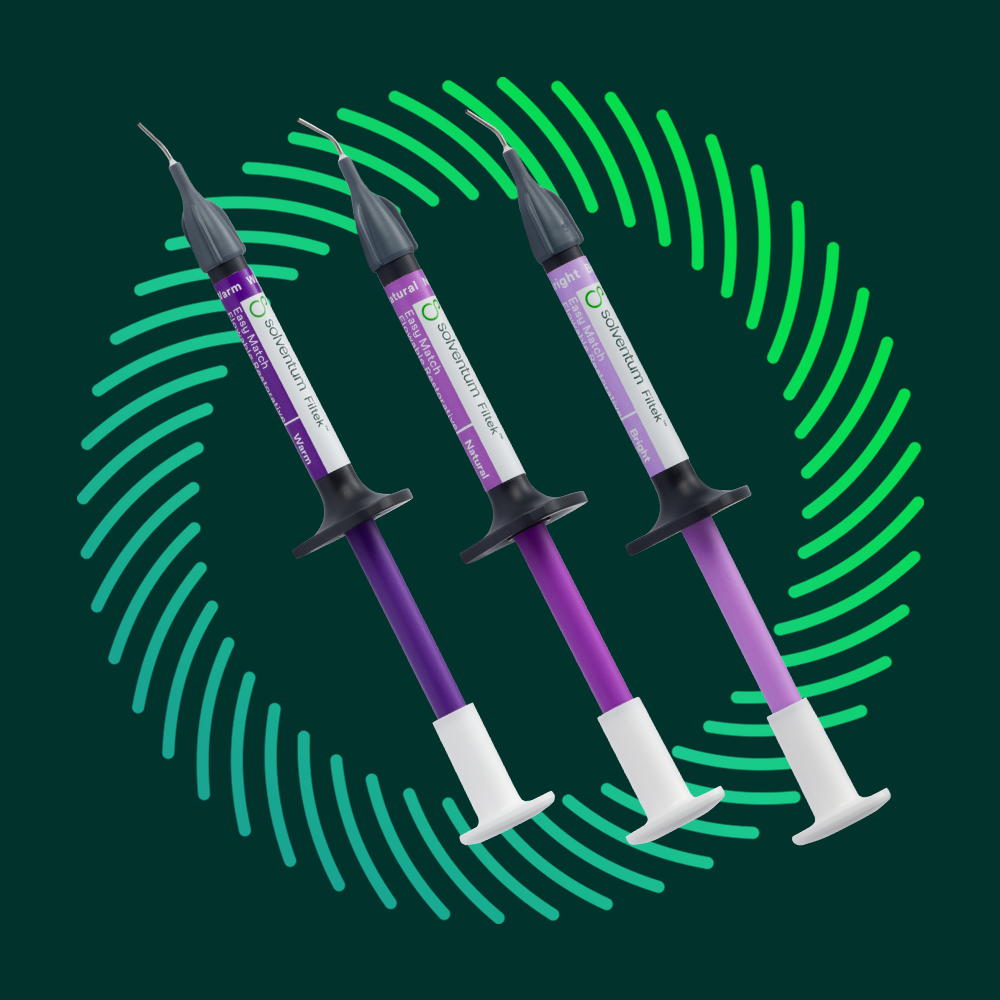
Using 3M™ Filtek™ Easy Match Universal Restorative.
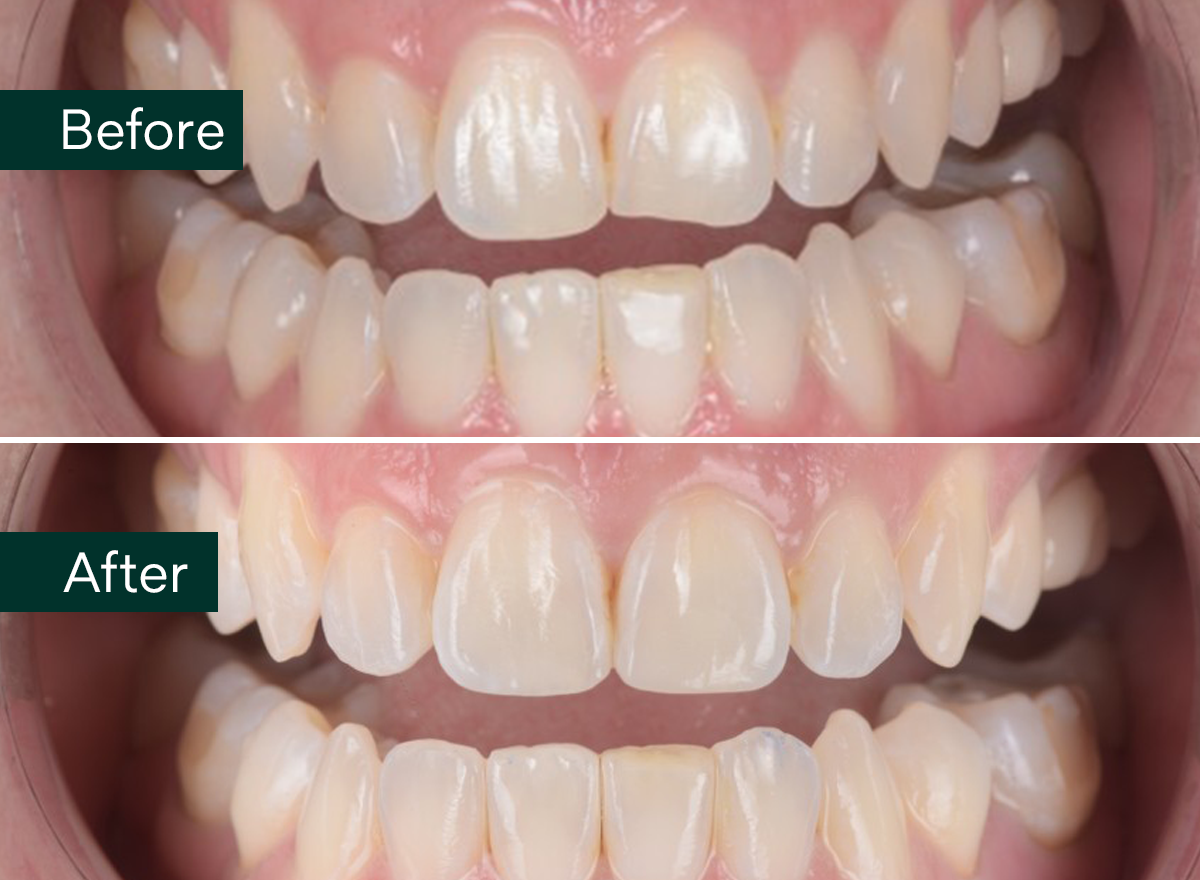
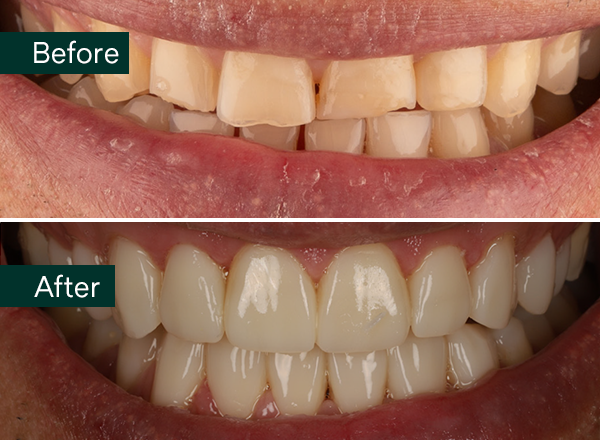
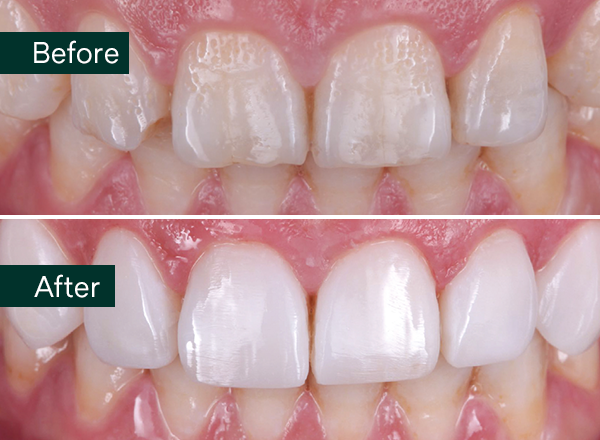
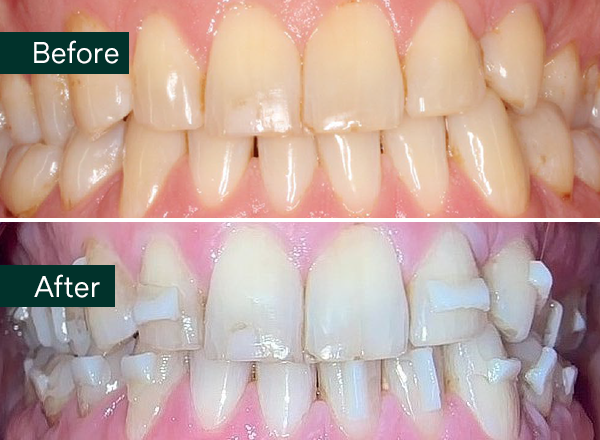
A patient presented with minor chipping in her anterior teeth. Before any restorative work could be completed, we addressed the underlying cause (malocclusion) through orthodontic alignment. Post-orthodontically, once proper overjet and functional overlap were established, we moved forward with direct composite bonding to restore form and symmetry to the worn incisal edge.
Chipped anterior teeth are often a symptom of deeper occlusal issues. Restoring them without first correcting those forces would compromise longevity. Another minor nuance was selecting the ideal composite shade and consistency; we’re all familiar with the excellent handing of Solventum pastes as well as Solventum™ Filtek™ Easy Match Flowable Restorative’s notable thixotropic properties. The flowable will hold up, in my opinion, if you’re comfortable with the handling.
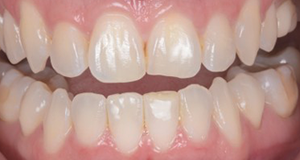
Pre-restorative photos post-orthodontics. Wear facets still visible on lower anteriors; occlusion now corrected with functional anterior decoupling.
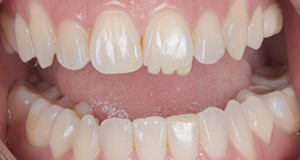
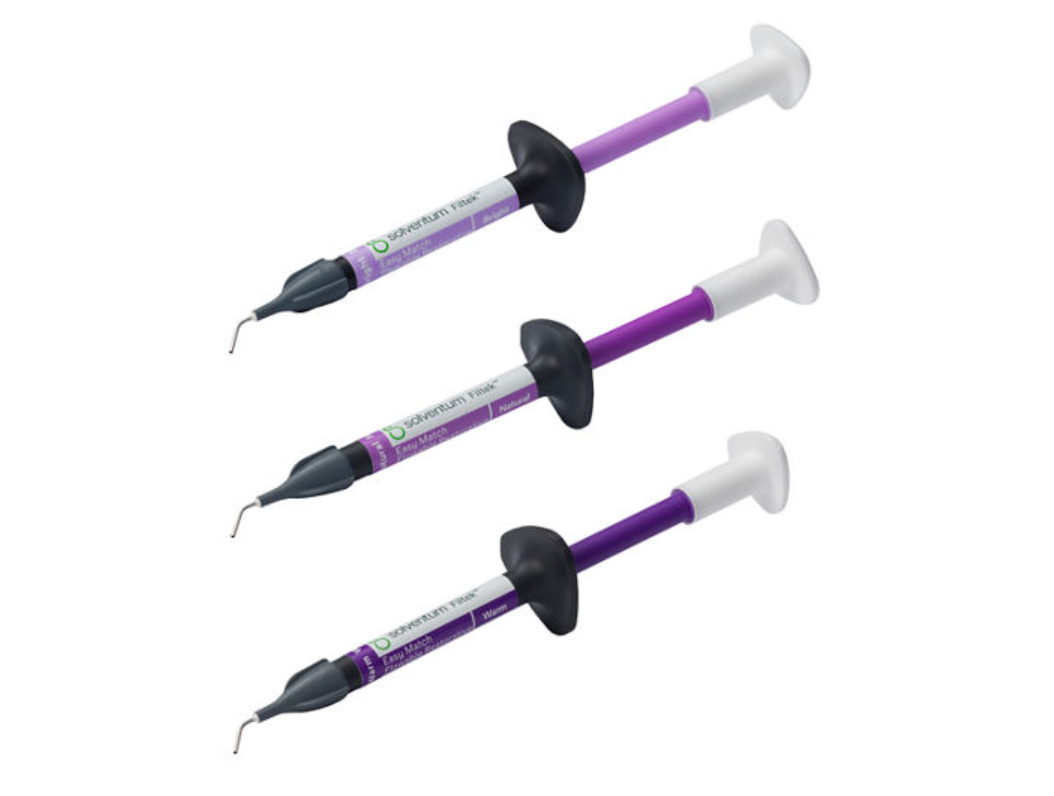
Composite shade try-ins: Bright, Natural, and Warm placed on the incisal edge to assess color under direct lighting.
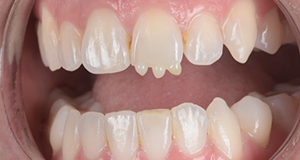
Continued shade comparisons using Solventum flowables and pastes. NOTE: pointed forms caused by syringe withdrawal, not gravity.
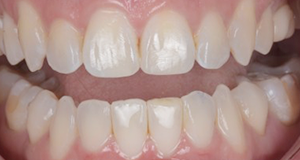
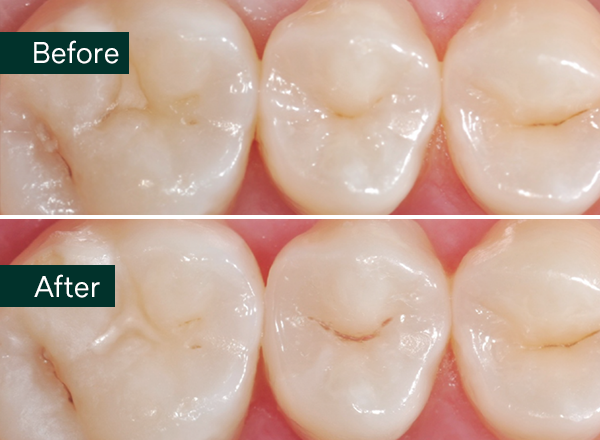
Composite placement complete, prior to fnal polish. Contour restored but surface not yet fnished.
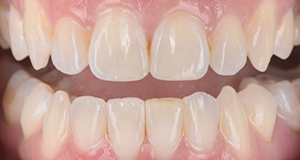
Final result after polishing. Incisal edge restored to match the contralateral central. Smooth contour, functional bite confrmed.
A seamless, single-shade composite restoration that required no layering and minimal chair time: the incisal edge was restored in harmony with the contralateral central, finished, polished, and confirmed to be out of harm’s way in their functional occlusion. The patient was thrilled with the natural aesthetic and the efficient approach.
Would you like this clinical case as a PDF? You can

Become a part of our Brain Floss blog family and share your clinical case, your insights and your skills with this great community .
We are looking forward to hearing from you!!
A: Its single‑shade formulation and proven optical properties allow clinicians to achieve natural aesthetics without complex layering, reducing chair time while matching surrounding dentition.
A: Yes—once occlusion and overjet are confirmed stable post‑orthodontics, direct composite bonding can be performed; addressing occlusal forces first is essential for longevity.
A: Perform in‑mouth shade try‑ins under neutral daylight, light cure and compare with adjacent teeth; Filtek Easy Match’s universal optics simplify selection but verify against the contralateral tooth before final cure.
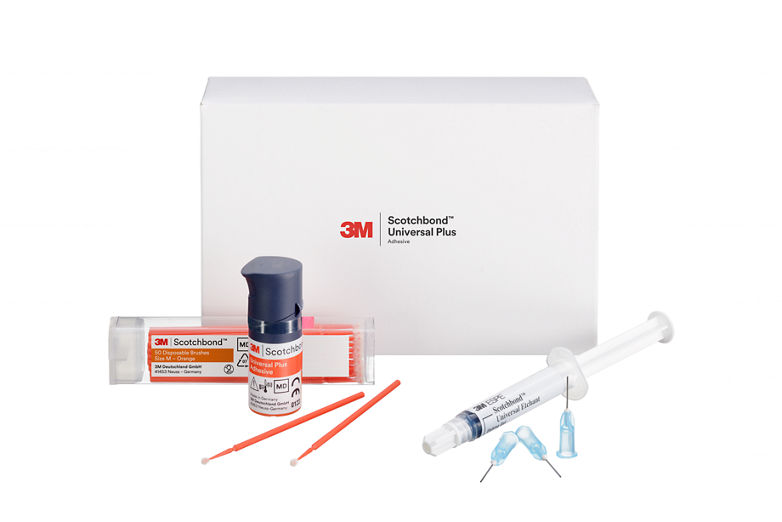
A: Confirm orthodontic correction of malocclusion first, use appropriate adhesive protocol, achieve proper contour and occlusion (functional decoupling), finish and polish carefully, and verify the restoration is out of the occlusal risk zone.
Refer to Instructions for Use (IFU) for complete product information. Results may vary.