




Solventum
Jul 6, 2026
/ Improving fluoride treatment acceptance through taste and efficiency
May 10, 2026
Taste perception can play a crucial role in shaping a patient’s oral health habits and response to treatment. This article explores how taste and clinical efficiency can influence acceptance of fluoride treatments.

Tastes evolve with time, but also alongside a changing oral health status. Recognising that the dentition is a prominent structure in the oral cavity, both clinicians and patients should understand how poor oral health may affect taste, and vice versa.
It can also impact the enjoyment of dental appointments and treatments, and clinicians should know how they can make a difference. It makes sense to briefly consider how our own tastes can influence diet, and in turn, oral health.
‘One of the biggest challenges that we have in a dental practice is children’s acceptance of a flavour when placing fluoride varnish’
A 2022 review suggested that patients with little perception of bitter tastes are at a heightened risk of caries development (Alkuhl and colleagues, 2022).
In addition, those with little perception of bitter tastes had a preference for sweet foods, leading to a high sugar intake.
On the other hand, patients who could taste bitterness were more sensitive to sweetness and tended to dislike sweet food. They may go on to avoid such products and could have an improved oral health status as a result.
Studies have shown that patients can experience bitter and sweet flavours at a greater intensity when they engage in oral hygiene habits more frequently, suggesting that regular hygiene habits increase taste perception.
However, the same individuals are shown to dislike bitter tastes more than those who brush their teeth and interdentally floss less often.
An increased perception of bitter tastes could fuel improved oral hygiene habits, as bacteria in the oral cavity produce bitter metabolites, and any disdain for the taste could prompt intervention to allay the flavour.
Treatments provided in practice can also be problematic if they do not taste pleasant. Children especially can gag when treated with strongly flavoured products, such as some flavours of prophylaxis paste or fluoride solutions.
If patients have a strong aversion to these based on the taste experienced in a previous treatment, they may be unwilling to undergo that aspect of care in future; their oral health could suffer as a result.
Dental care produces a high volume of waste with every treatment. From disposable PPE to wasted materials, it’s important to manage each item with care, but it’s also important to assess how the amount that is disposed of can be reduced.
As mentioned, a benefit of versatile restorative materials is the ability to reduce inventory, as a multitude of challenges are solved by a selection of effective solutions. With a smaller inventory, there is a reduced risk of letting materials expire before being completely used, or left untouched entirely.
Not only can this a reduced inventory have environmental benefits by reducing the waste headed for landfill or alternative disposal methods, but practices may save money too, by minimising the cost of wasted items that could be better invested in trusted items with a near guaranteed application.
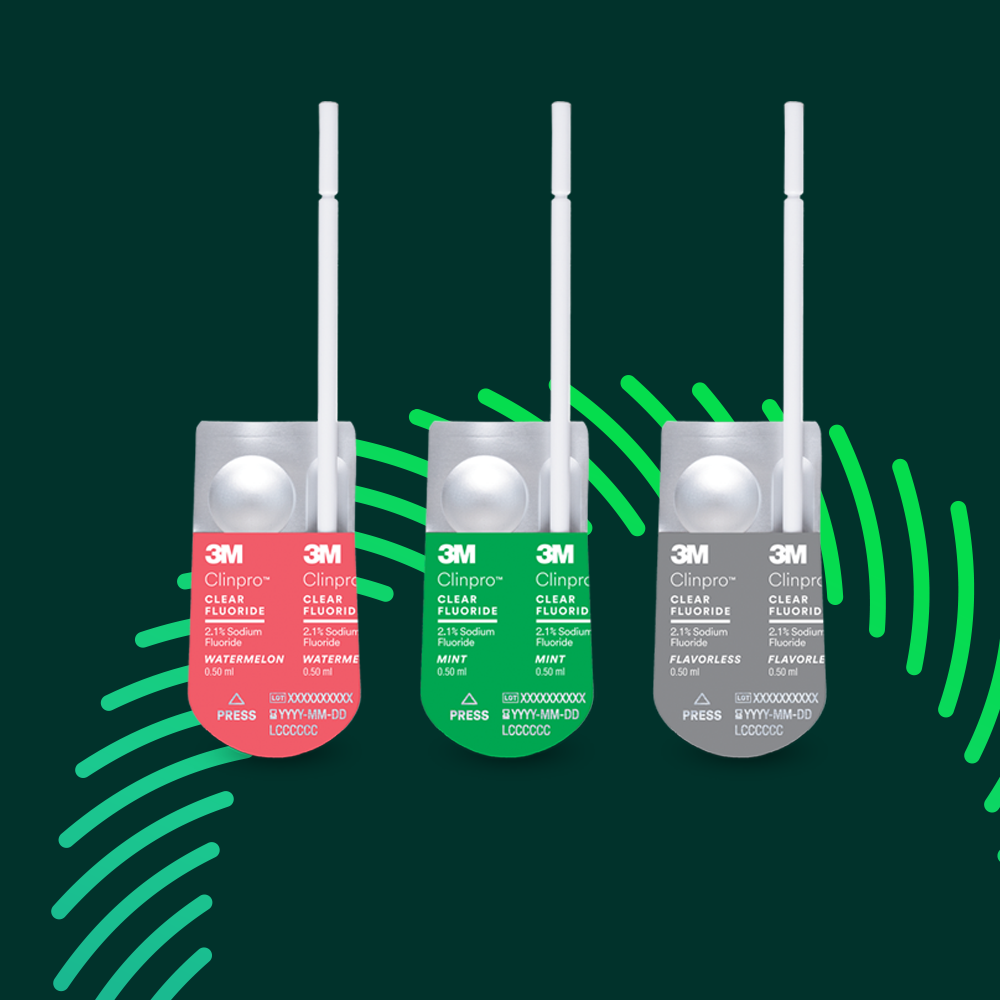
Efficiency is a key topic in a busy practice. Clinpro Clear has multiple answers to that challenge.
One is single-dose packaging – it matters to have not only efficiency, but infection prevention measures are a key component of what we do.
The product makes appointments simple and effective for clinicians and patients alike.
Usually, fluoride treatment is a two-hour process, involving a very sticky substance which tastes unpleasant, and the patient can’t eat anything for a while afterwards.
In addition, the dentist might not even like providing it because it takes so much chair time.
But with Clinpro Clear, combining a fast and easy application with effective fluoride uptake, and requiring just 15 minutes’ contact time, appointments are streamlined to fit into a patient’s day and allow clinicians to support more individuals.
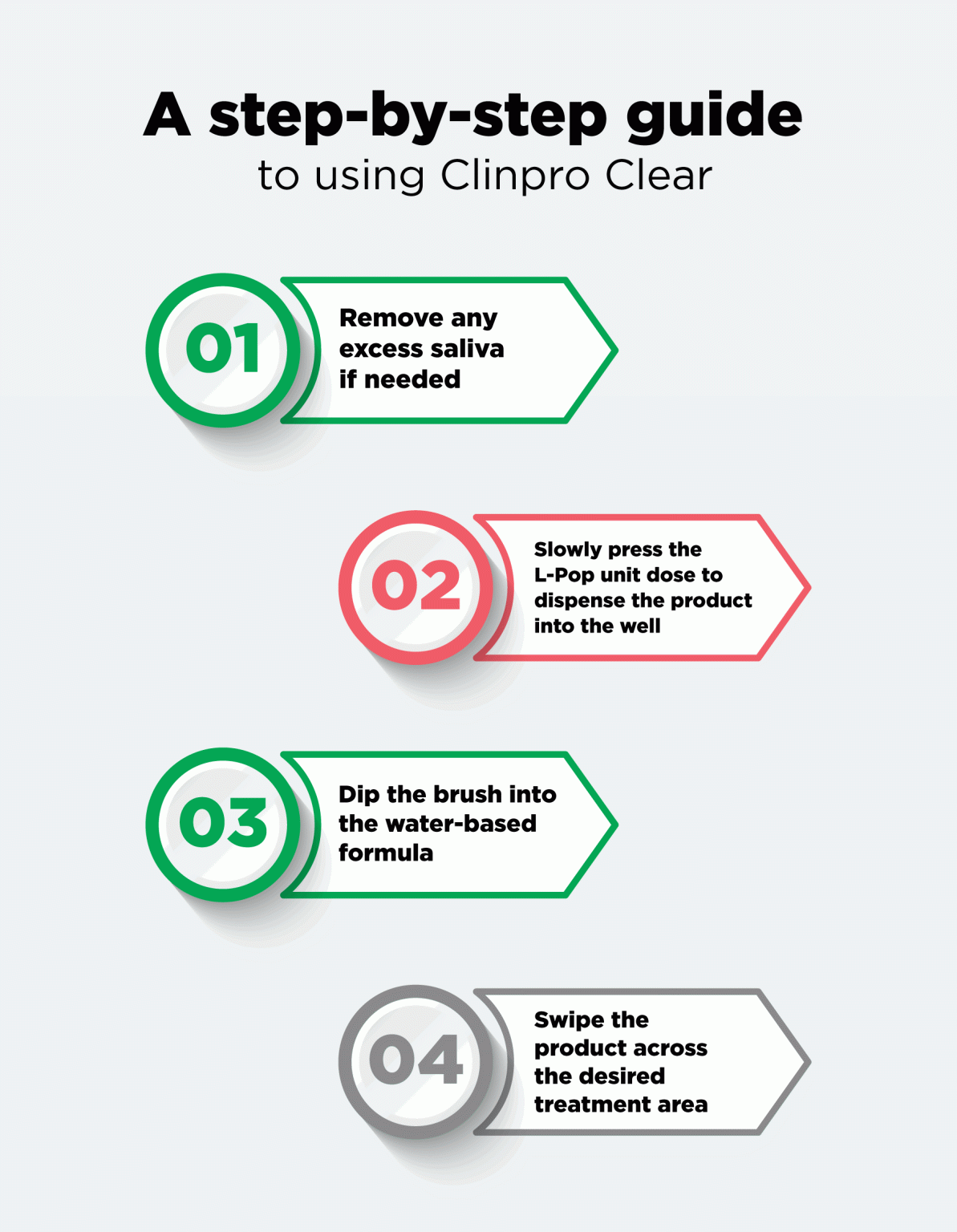
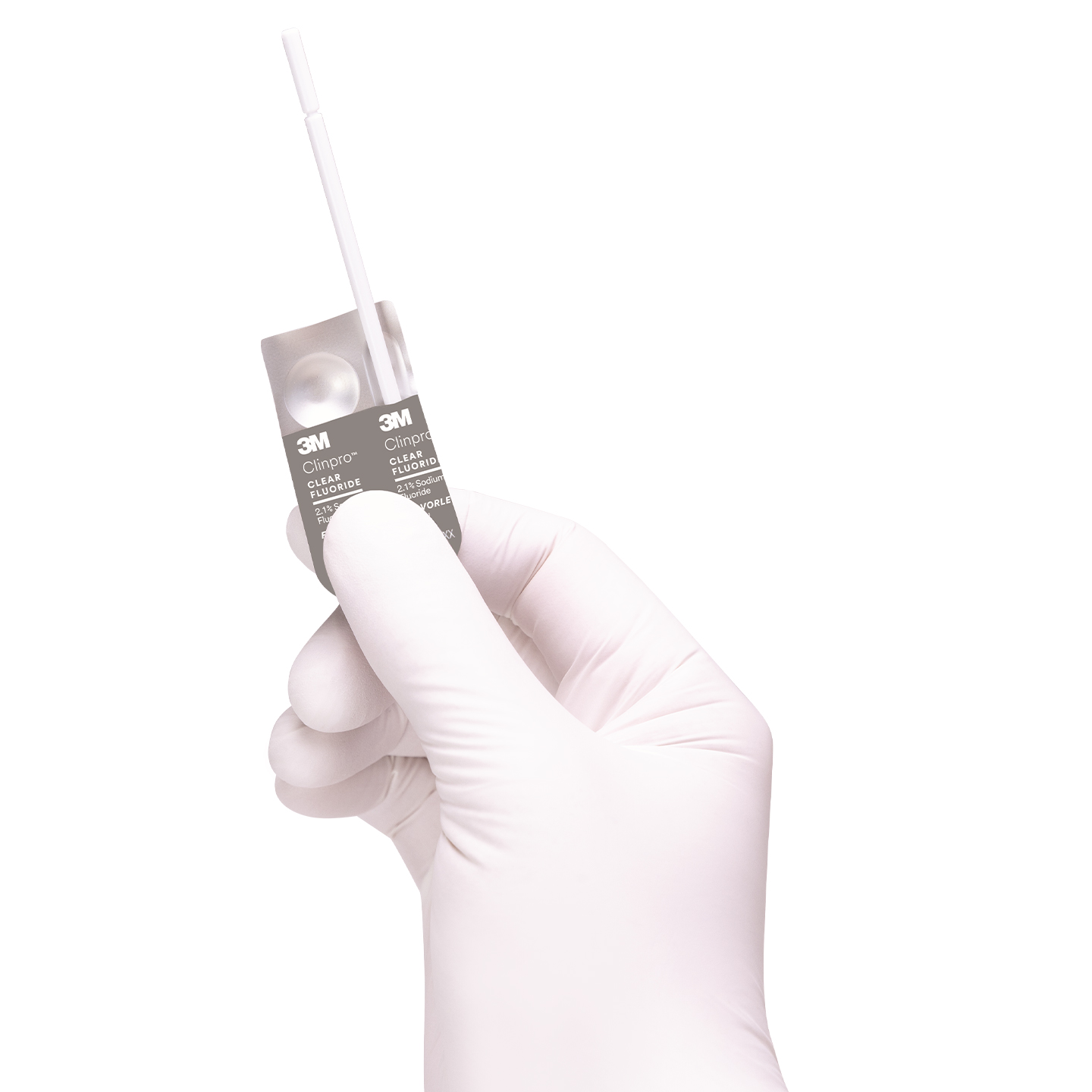
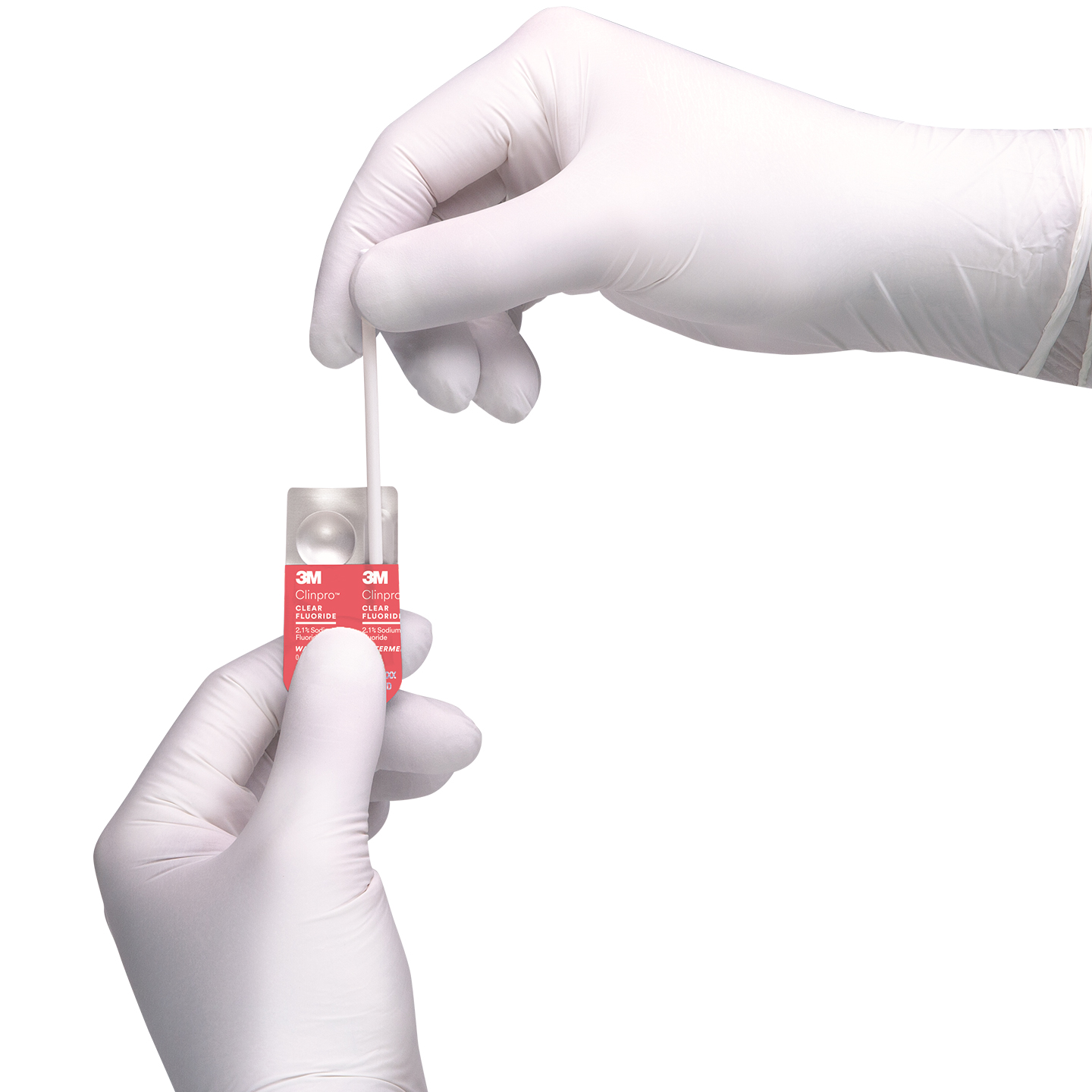
A unique press-and-go L-Pop single-dose delivery system makes the formula fast and easy to apply.
It also gives great control when applying the product, as clinicians swipe the water-based formula onto the teeth smoothly.
The package can be bent and dispensed onto a gloved hand as an alternative, and equally simple, method of use.
Click here to find out more about Clinpro Clear

Become a part of our Brain Floss blog family and share your clinical case, your insights and your skills with this great community .
We are looking forward to hearing from you!!
This article was frist published on Feburary 20th 2026 on “Denistry“.