



Solventum
Jul 6, 2026
/ The Effect of Warmed Composite in Clinical Practice
June 22, 2026
It has been many years since we became familiar with the concept of warmed composite. From experience, warming produces a more flowable composite that adapts more easily to the substrate. This applies whether the substrate is bonded to tooth structure, another restorative material, or repair of indirect materials (small defects).
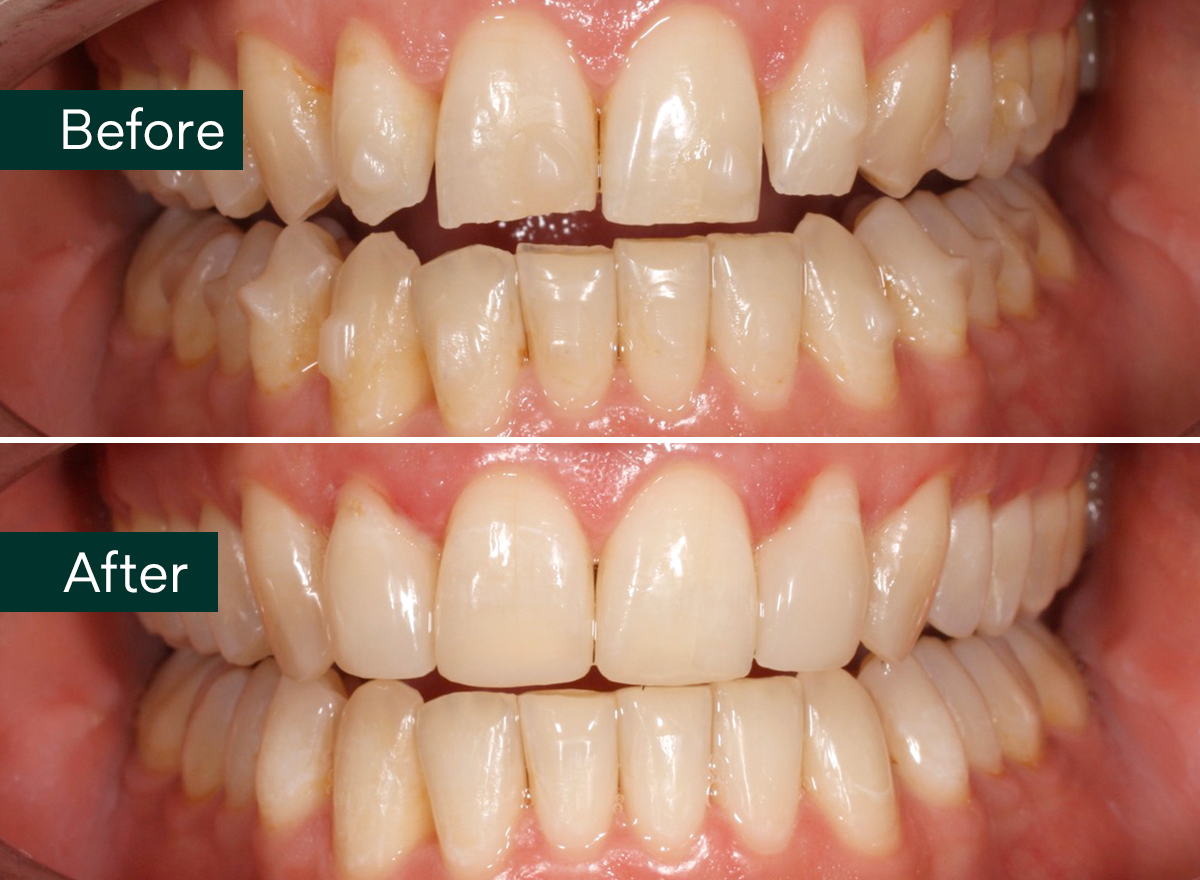
In my experience, placement of composite is faster when warmed, as it requires less manipulation to ensure good adaptation between the substrate and the composite. Smooth, tight margins are essential to prevent discolouration, microleakage, and secondary caries. When bonding between composite layers is straightforward, porosities are less likely, and finishing/polishing of aesthetic composite can feel easier and quicker.
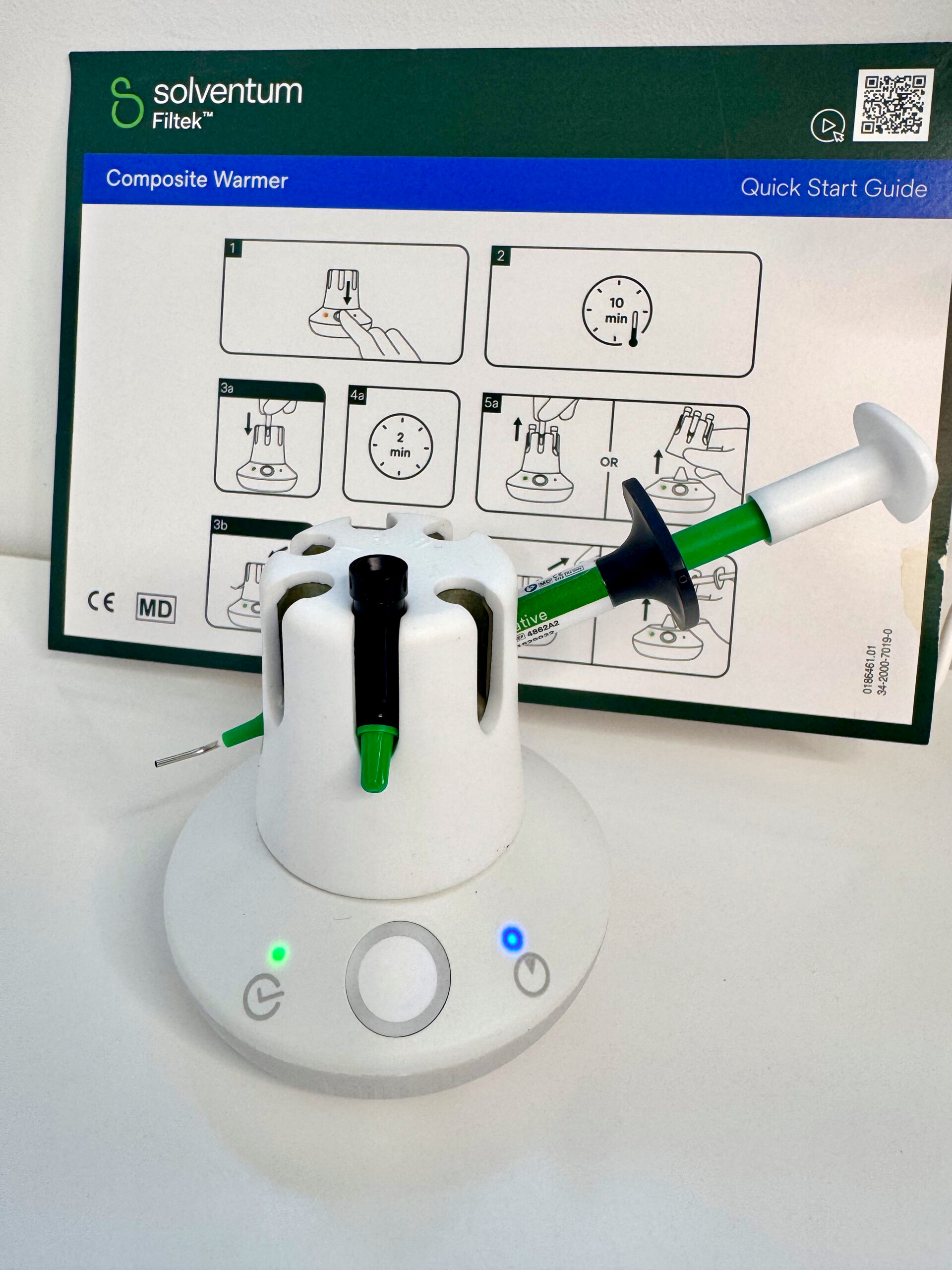
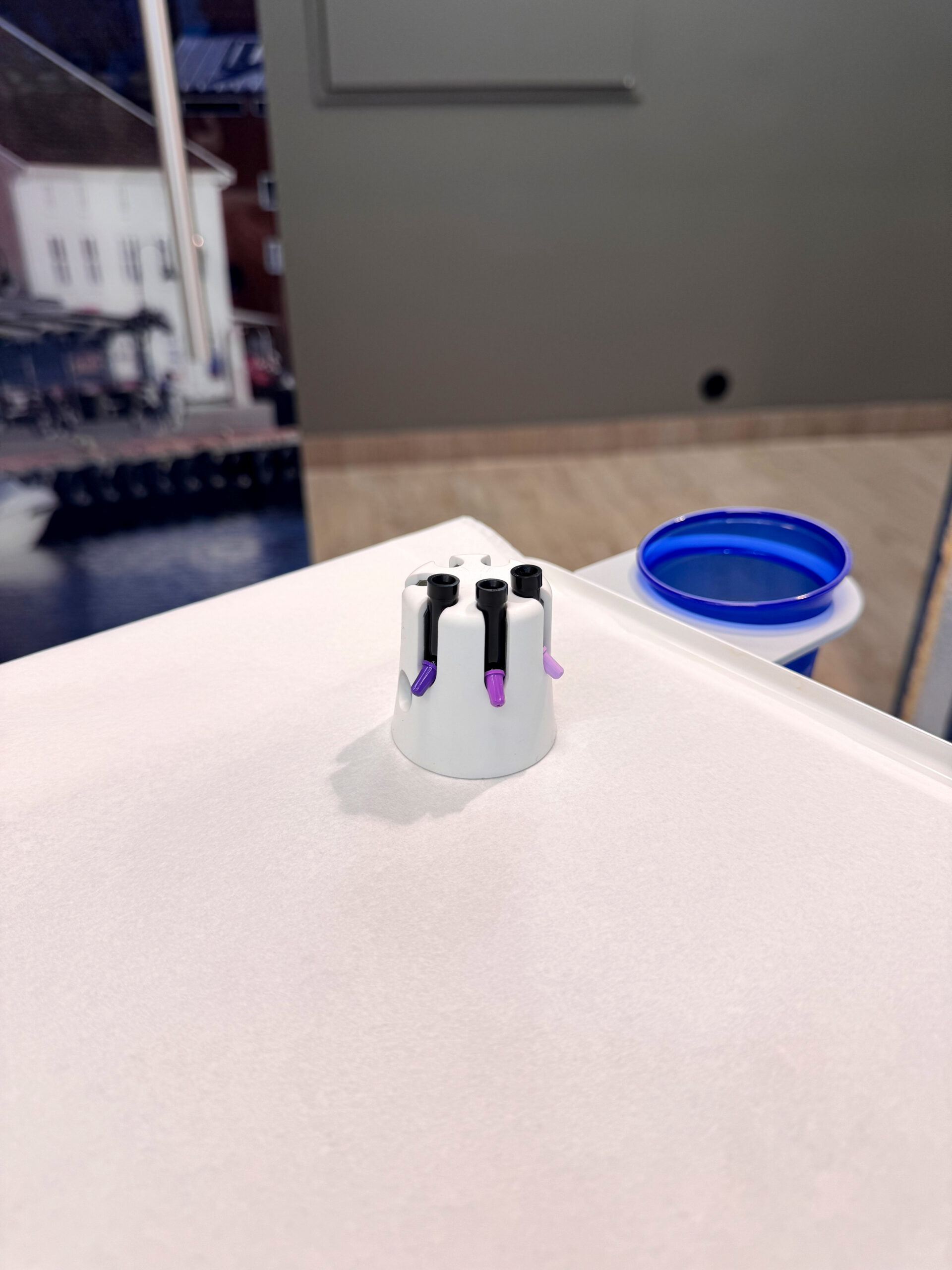
In autumn 2025, it was launched Solventum™ Filtek™ Composite Warmer (Photo 1a), specifically designed for Filtek™ Dental Restoratives. Not only it is compact, aesthetically pleasing, and easy to handle – it is also efficient and practical. Just two minutes after prewarming the device, the composite capsules are fully warmed and ready for use. Additionally, the upper part of the composite warmer (Photo 1b) can be detached and placed on the dental chair table for easier access during placement. This is one of the major advantages of this new product. The detachable section is neat and takes up minimal space on the dental chair table. The warmer has few buttons, is highly intuitive to use, and can be disinfected. If you wish to warm flowable composite, there is space for one flow syringe
 |
 |
| alongside six composite capsules. | |
Some Filtek™ restoratives in capsules and flowable syringes are suitable for warming up to one hour at 70 °C. The harder the composite initially, the greater the benefit of warming.
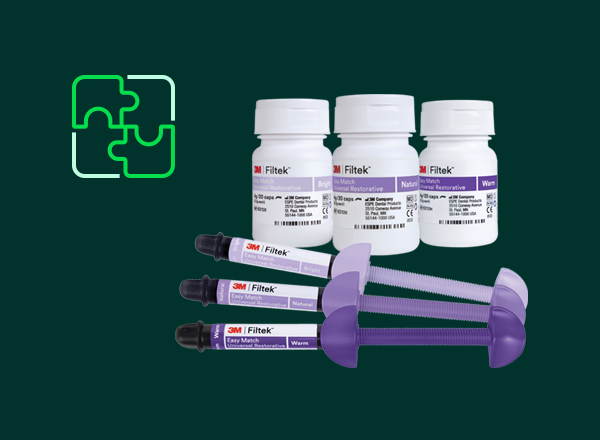
3M™ Filtek™ One Bulk Fill Restorative is a well-known and widely used material. Here, warming is particularly advantageous as this relatively firm material becomes much more flowable and easier to handle. 3M™ Filtek™ Universal Restorative, 3M™ Filtek™ Easy Match Universal Restorative, and 3M™ Filtek™ Supreme XTE Universal Restorative are other materials I have successfully warmed over time. Depending on how long the capsule remains in the warmer, the temperature can be adjusted. Especially for larger, aesthetic build-ups in the anterior region, it is useful to control the degree of flowability according to the clinician’s preference. With the composite warmer on the dental chair table next to the patient, the capsule can easily be removed before two minutes have passed or left briefly on the table before use if slightly higher viscosity is desired.
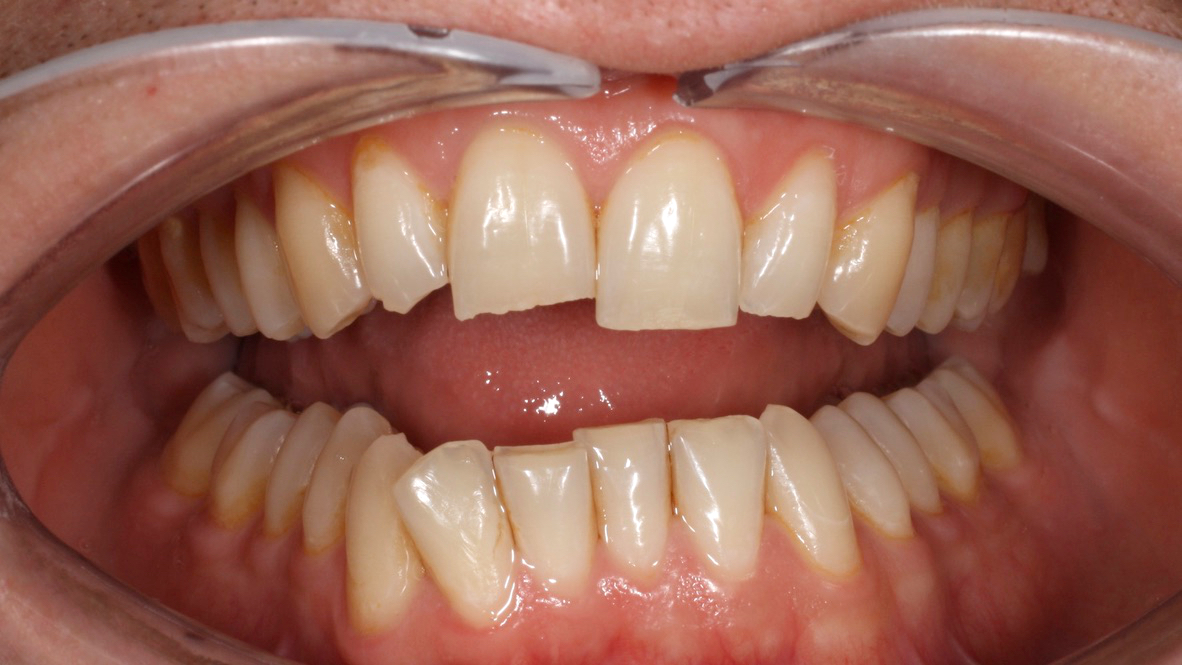
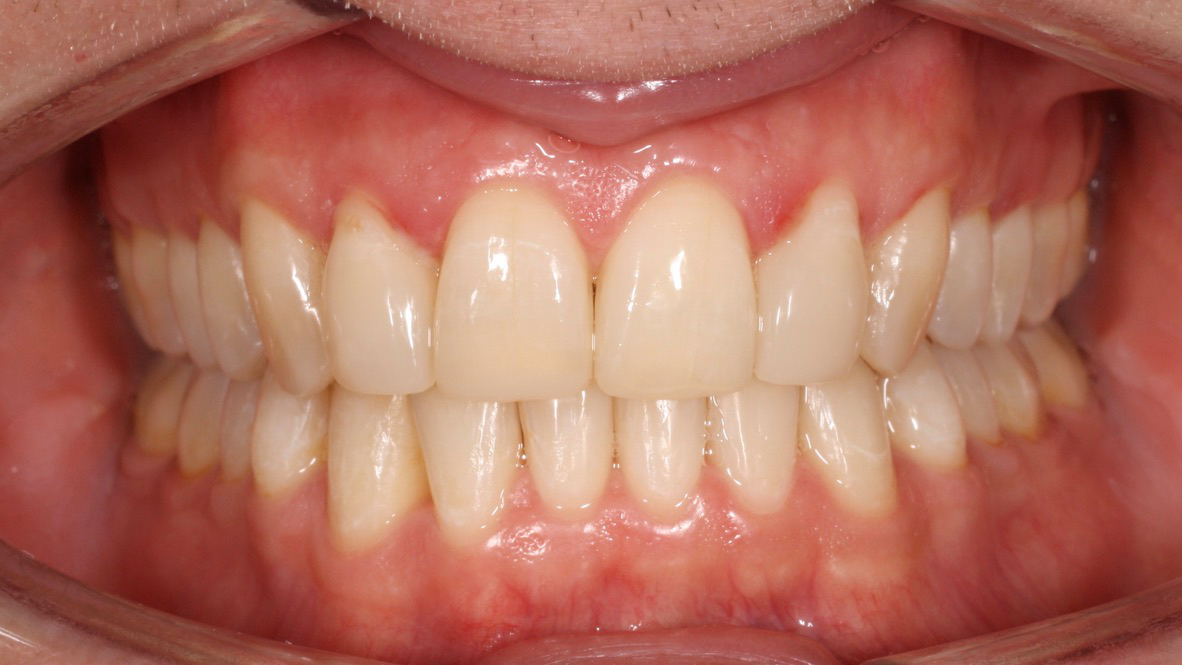
The following case demonstrates treatment performed using warmed 3M™ Filtek™ Supreme XTE Universal Restorative in a layering technique with body, dentine and enamel shades. The patient did not want bleaching but wished to maintain the natural colour of the teeth. The upper jaw laterals were narrow (Photo 2a), and the patient wanted them wider. Increasing the width of the laterals also improved the inter-arch relationship according to Bolton’s analysis. The patient exhibited wear, mainly due to attrition on several teeth, as well as crowding, particularly in the mandibular anterior region around tooth 42. Prior to composite treatment, orthodontics was carried out with 26 aligners to position the teeth as desired. This created space around the laterals (Photo 2b) for re-shape. The centrals and canines were treated with edge bonding.
 |
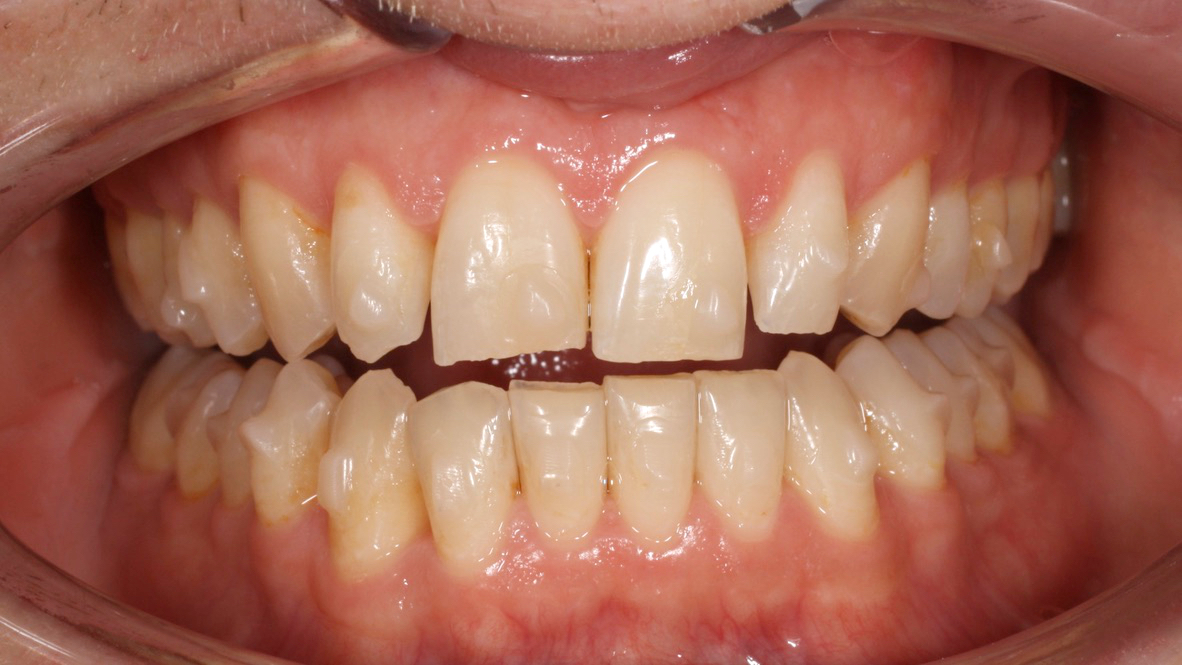 |
| Photo 2a (left), Photo 2b (right) | |
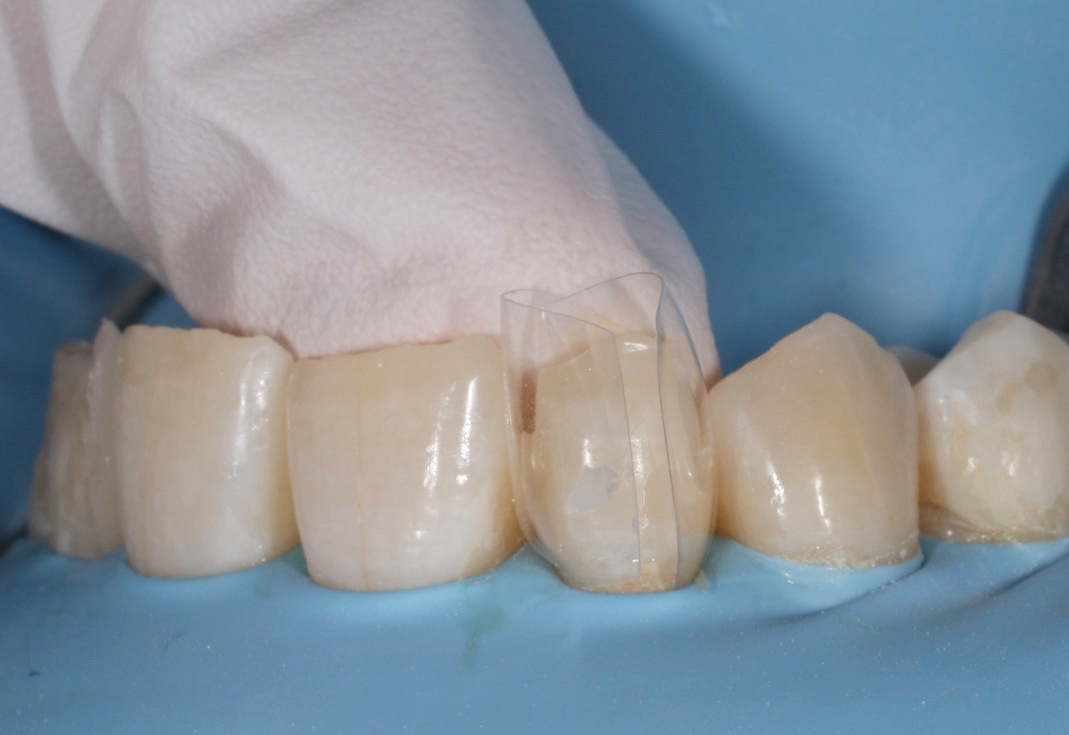
The laterals were built up using Bioclear™ matrices (Photo 3a). Here, extra flowability and easy adaptation to the substrate were advantageous. The restorations were placed with a thin layer of flowable composite at the base, gingivally against adjacent teeth, and the composite was warmed for mesial and distal build-ups. All teeth received the same pretreatment with rubber dam (Photo 3b), sandblasting with 30 μm aluminium oxide, phosphoric acid etching, and bonding with 3M™ Scotchbond™ Universal Plus Adhesive. To prevent the material from sticking to composite instruments and brushes, modeling liquid for composites was used, and glycerin was applied to avoid oxygen inhibition before curing the final layer.
 |
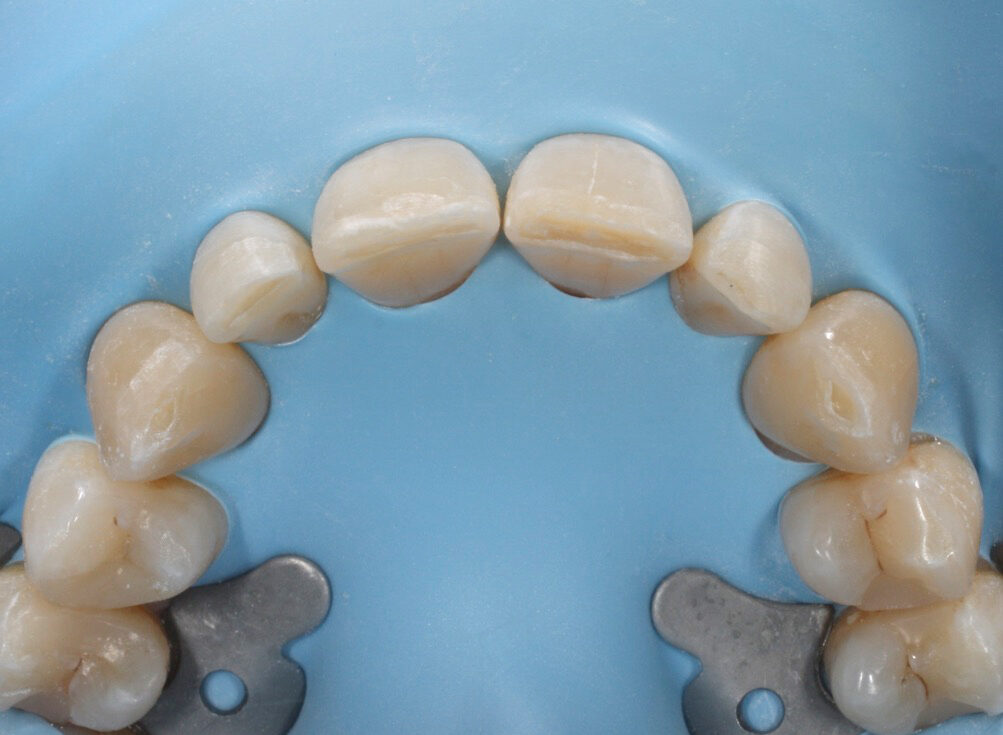 |
| Photo 3a (left), Photo 3b (right) | |
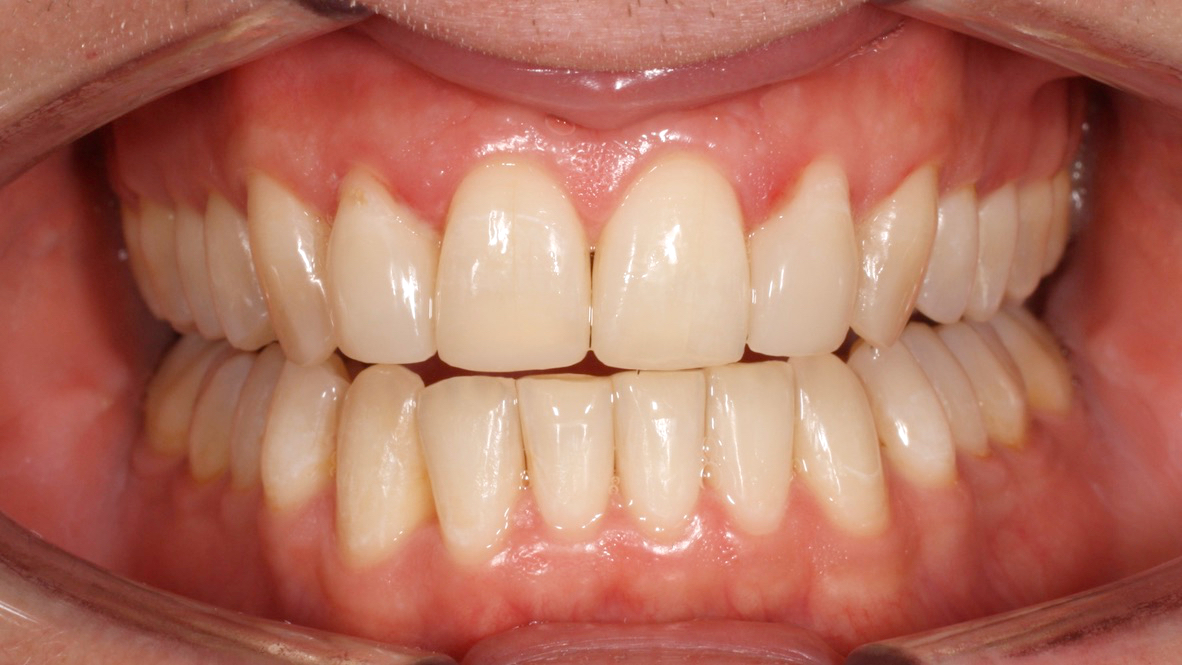
Postoperative clinical images (Photos 4a/4b) show the patient the day after composite treatment. The teeth are rehydrated and have regained their natural colour.
 |
 |
| Photo 4a (left), Photo 4b (right) | |

Become a part of our Brain Floss blog family and share your clinical case, your insights and your skills with this great community .
We are looking forward to hearing from you!!
Results may vary.