





Solventum
Mar 23, 2026
/ Measurement and effects of excess flash surrounding conventional orthodontic aligner attachments and Clarity™ Precision Grip Attachments
March 16, 2026
CLARITY™ PRECISION GRIP ATTACHMENTS
Clear aligners were developed as an esthetic alternative to fixed appliance therapy. Originally, they functioned via the “shape molding effect” in which a series of aligners was created to reflect an incremental rearrangement of teeth from the malocclusion to the desired outcome.1,2,3 It became apparent that a plastic tray alone did not provide sufficient traction on the teeth for all required movements.4 For example, incisor extrusion and bicuspid rotation are difficult movements for aligners, owing to a lack of natural undercuts. Attachments, or cured shapes of composite bonded directly to the teeth, were developed to provide additional pushing surfaces for these movements and for aligner retention.
To form conventional aligner attachments, a clinician fills the wells in an attachment template with a composite resin (Figure 1a). The clinician then places the template on the patient’s arch and light cures the composite material. Conventional attachment templates are typically thermoformed on a 3D printed model, allowing for a wide range of attachment sizes and shapes. The procedure’s shortcoming is in its technique sensitivity, complicated by difficulties in dispensing the ideal amount of composite resin into the attachment template.
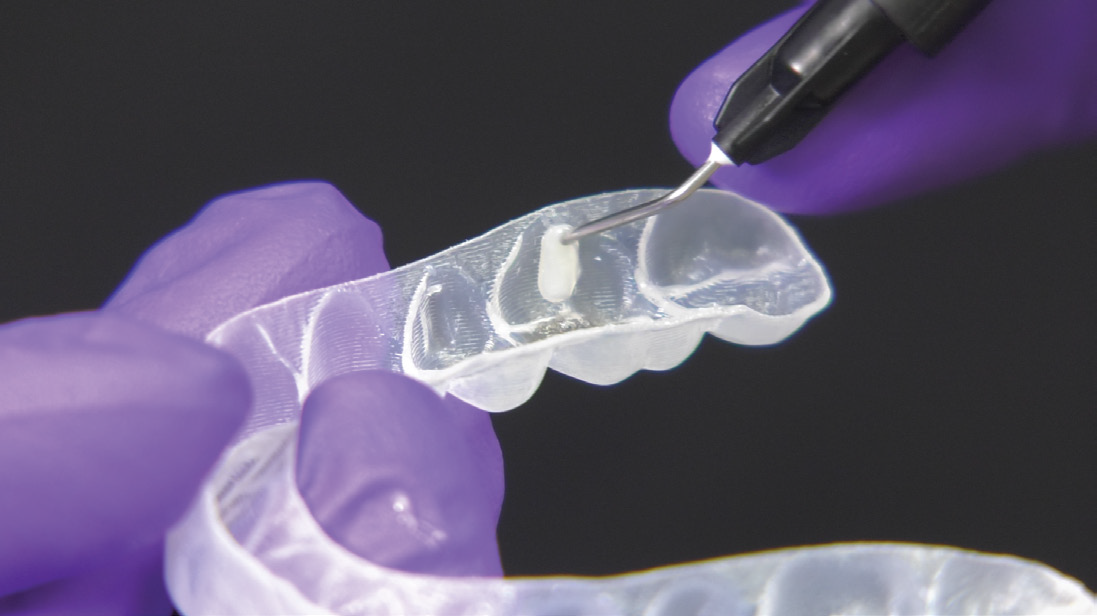
Figure 1: (a) Technique-sensitive, manual filling of an attachment template well, and
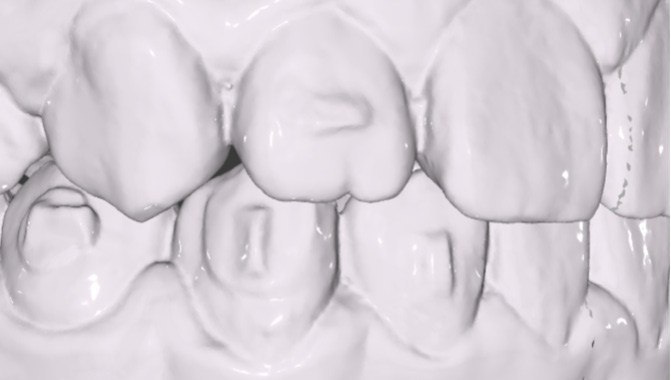
(b) common quality challenges with conventional composite aligner attachments.
Underfilling the wells in an attachment template increases the risk of bond failure or creating an undersized attachment, as shown in Figure 1b. Overfilling the wells can lead to the formation of significant amounts of composite flash around the attachments. Optimal template-filling technique can be difficult to master, and, in practice, many attachments are poorly formed.
Clarity™ Precision Grip Attachments were developed to mitigate the technique sensitivity of the attachment creation procedure and to translate the digital precision of the treatment plan to clinical situations. Discrepancies between conventional attachments and the treatment plan include voids, flash, volume and positional errors.5,6
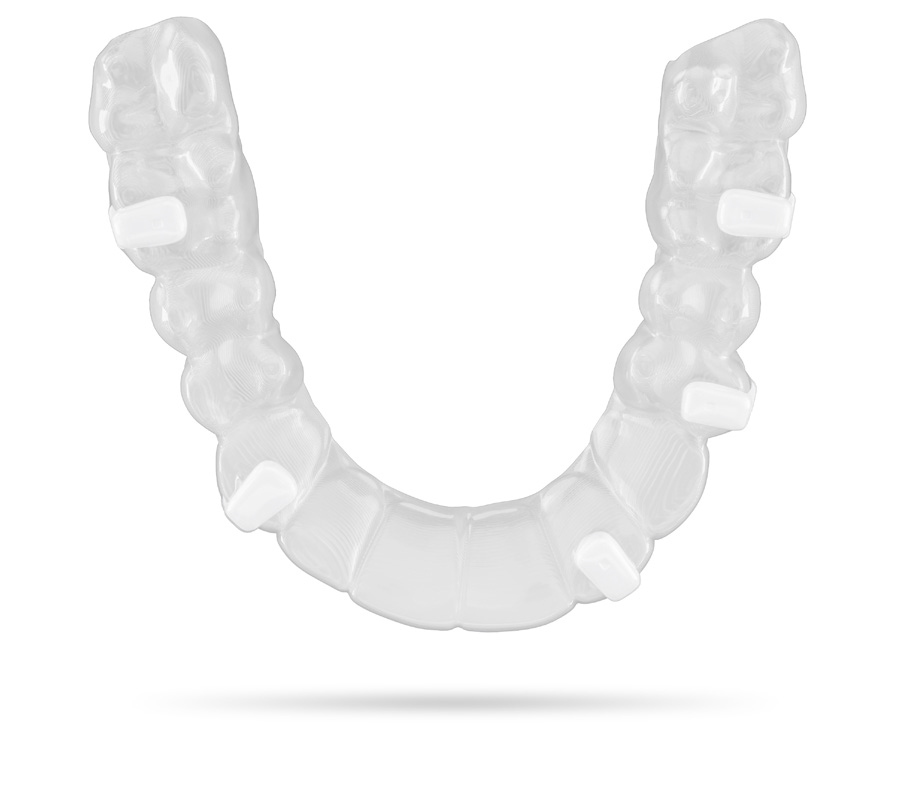
Clarity Precision Grip Attachments address these problems. They are precise, 3D printed attachments with bonding surfaces customized to the contours of each tooth (Figure 2a). The pre-cured Clarity Precision Grip Attachments are delivered via an attachment tray (Figure 2a) and the bonding procedure results in no composite flash. The only remaining flash risk comes from the thin layers of unfilled bonding agent used to secure the attachments to the teeth.
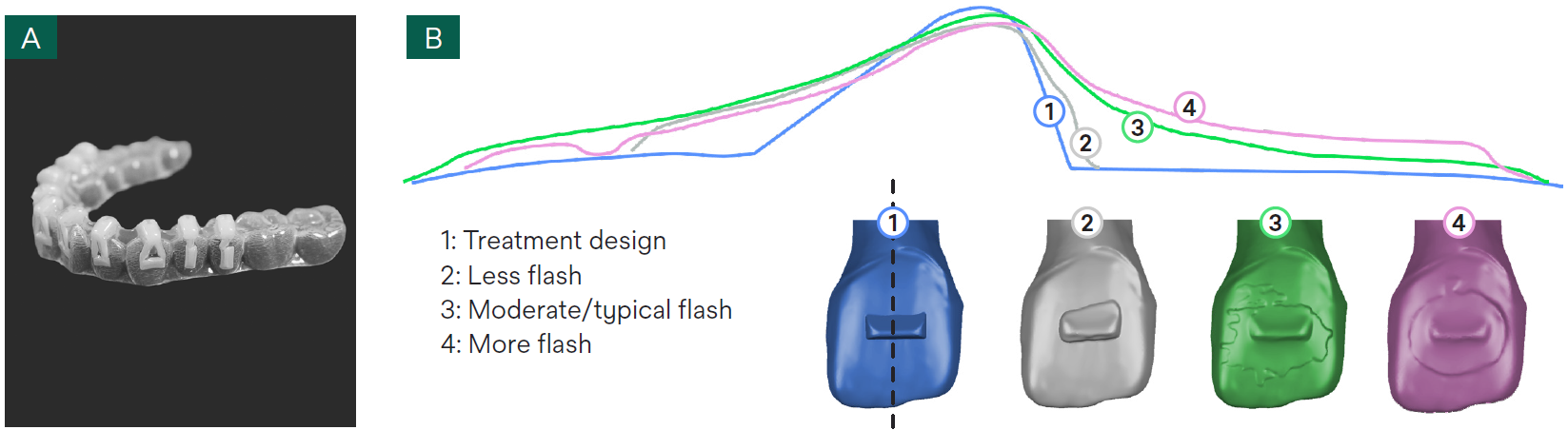
Figure 2: (a) 3D printed Clarity Precision Grip Attachments captured in the attachment tray, and (b) Example cross-sectional UL1 profiles comparing the treatment design attachment to scans of a conventional attachment on the same tooth (bonded on separate occasions).
Given the variation in bonding procedures and the propensity for resulting flash, this study was initiated to quantify the flash thickness typically experienced with conventional and Clarity Precision Grip Attachments and demonstrate its consequences on aligner engagement and forces delivered to teeth through finite element modeling. To support this objective, a series of clinical cases were selected and analyzed.
Sample preparation
Four clinical cases were selected for evaluation (Figure 3).
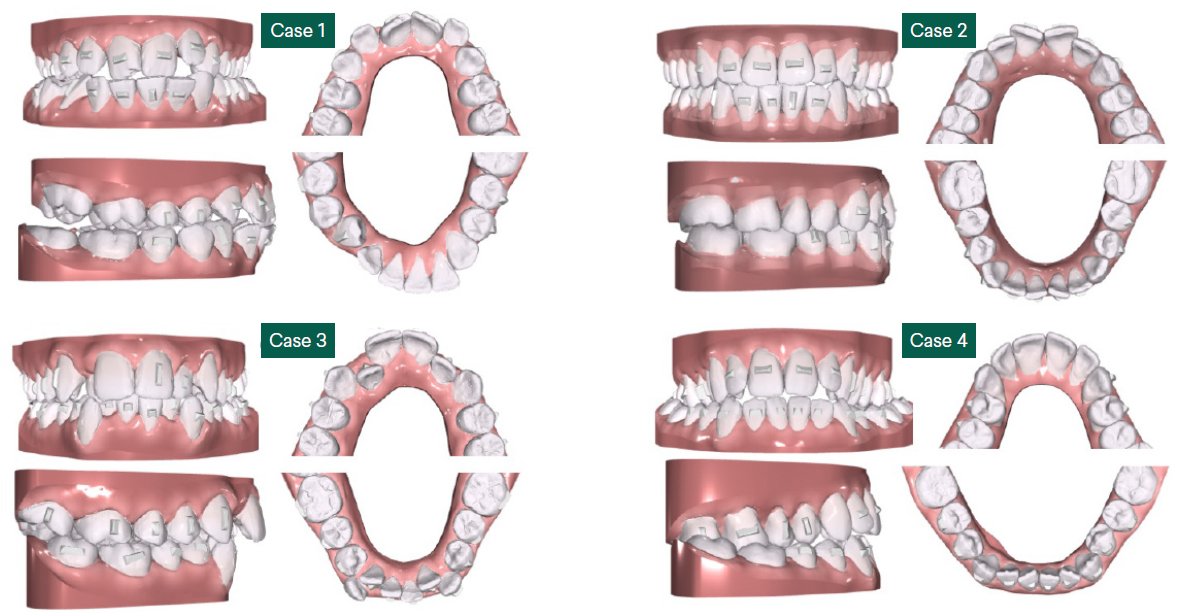
Figure 3: Views of clinical cases selected for evaluation. Case one has a crowded upper arch and proclined incisors on the lower arch. Case two has moderately crowded upper and lower arches. Case three has severely crowded upper and lower arches. Case four has moderately crowded upper and lower arches. In each case, bar and bevel attachments with 0.75mm depth were placed on the teeth. Identical treatment plans and attachment designs were used to create conventional attachment templates and Clarity Precision Grip Attachments and bonding trays.
To produce conventional attachment samples, arch models were created using PolyJet 3D printing. A total of eight 3D printed arch models were sent to eleven orthodontists with conventional attachment templates. The orthodontists filled attachment template wells with composite resin according to their current procedure, placed the templates onto arch models, and light cured the attachments in place.
For the Clarity Precision Grip Attachment samples, arch models were printed via stereolithography. Clarity Precision Grip Attachments were bonded according to the bonding protocol in the product’s Instructions for Use in January, 2025.
After bonding, an opaque scanning powder was applied to each arch model before scanning with a GOM ATOS II Triple Scan to capture its surface in 3D.
To evaluate how much flash remained after bonding, Geomagic Control X 2024 was used to compare the thickness of each bonded attachment to a reference model without flash and determine the maximum thickness of the flash layer. Figure 4 depicts an example flash sampling region; the results of this analysis are summarized in Figure 5.
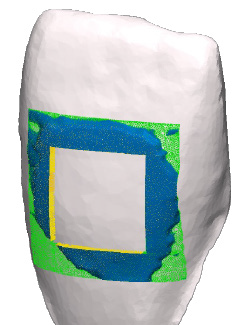
Figure 4: A flash sampling region for a conventional attachment.
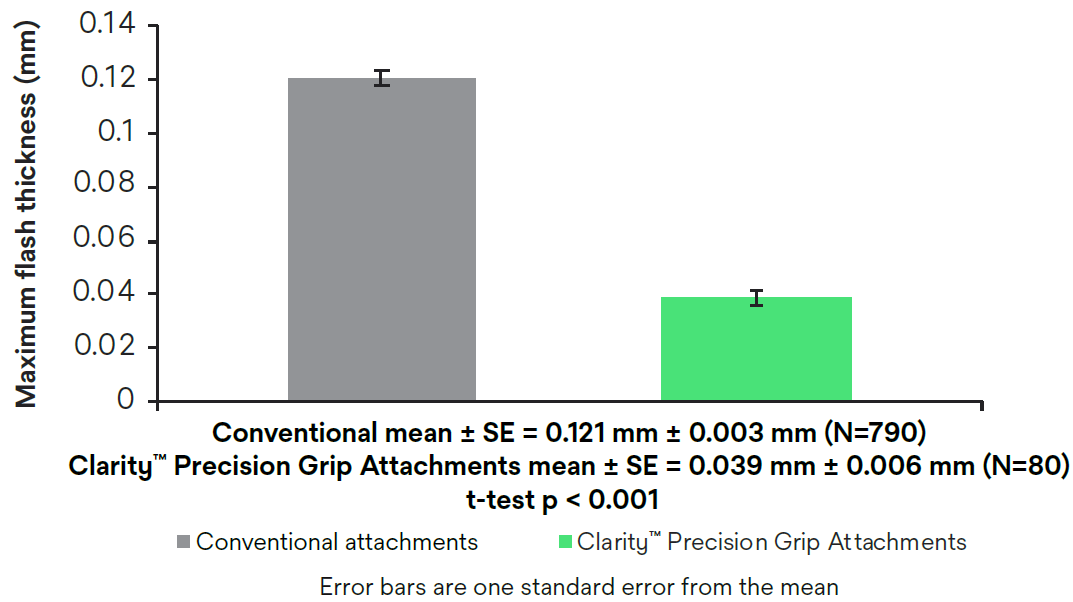
Figure 5: Maximum flash thickness averaged for both conventional attachments and Clarity Precision Grip Attachments.
To evaluate how flash thickness affects the forces and moments that aligners apply to teeth, finite element analysis (FEA) was used. The hypothesis was that less flash would result in force systems that more closely match the digital treatment plan. Therefore, Clarity Precision Grip Attachments, which minimize flash, were expected to produce more optimal force systems.
To test this, geometry from the flash analysis was used to simulate two single-tooth treatment plans:
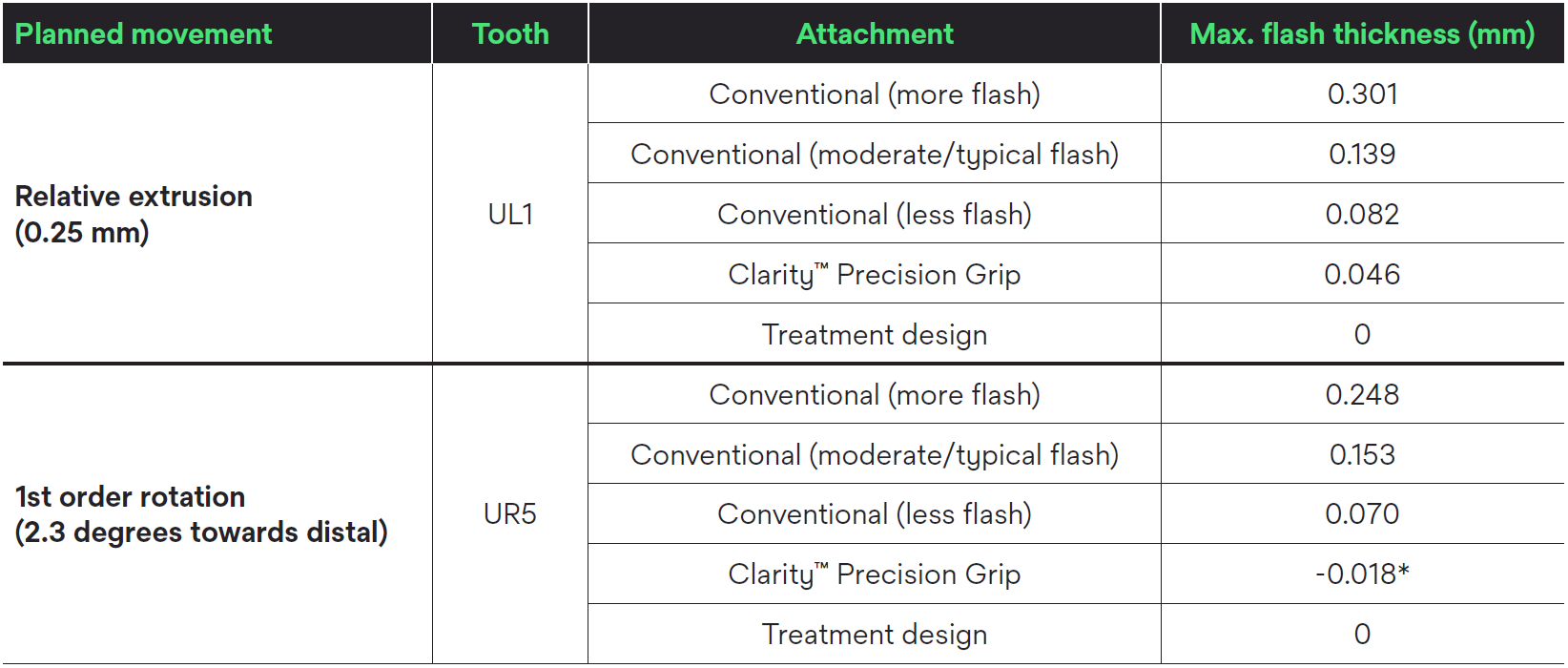
* The negative value for the UR5 Clarity Precision Grip attachment is due to removal of the “noise” introduced by scanning, 3D printing, and overlay process.
Table 1. Maximum flash thickness results for conventional, Clarity Precision Grip, and treatment design attachments for the relative extrusion and 1st order rotation simulations.
Teeth, roots, PDL, and the aligner were assigned nonlinear material properties. Figure 7 shows the FEA model setup and coordinate systems. Crown-to-crown and aligner-to-crown contact was modeled.
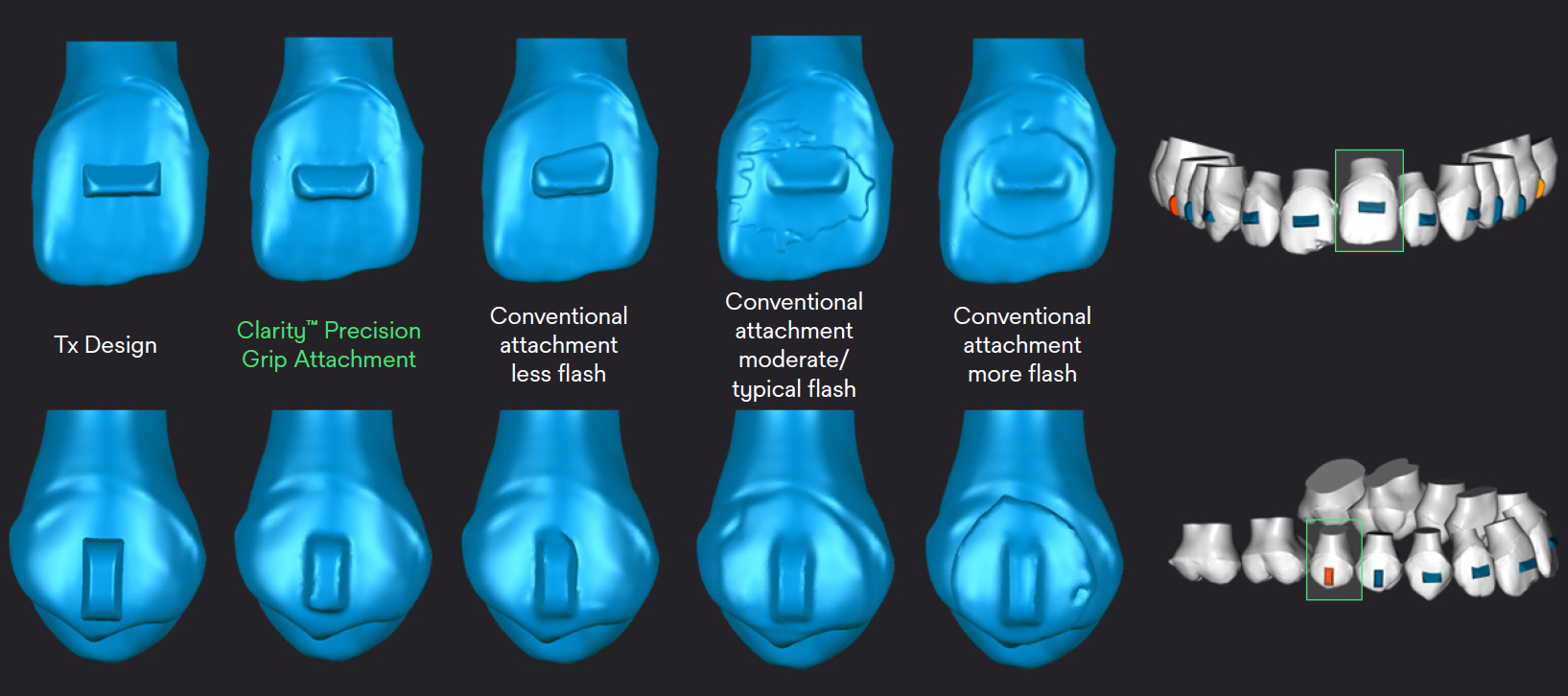
Figure 6: Generation of two single-tooth movement cases: UL1 relative extrusion and UR5 rotation.
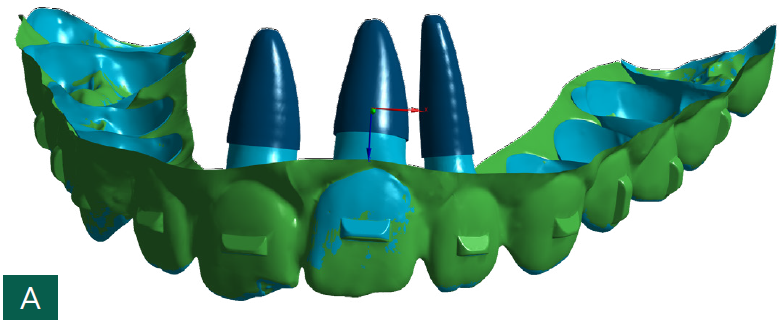
Figure 7: Example initial model geometry and approximated center of resistance coordinate systems for FEA simulation of (a) UL1 relative extrusion and
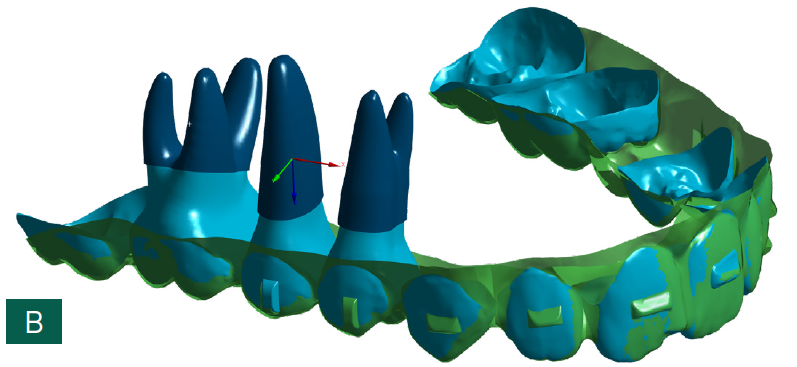
(b) UR5 rotation of the Tx design attachments. Full roots and PDL are modeled on the moving tooth and adjacent teeth, with aligner and other crown geometry modeled as shells.
To visualize aligner engagement, cross-sections were taken of the aligner-tooth interface for each case and are shown in Figure 8.
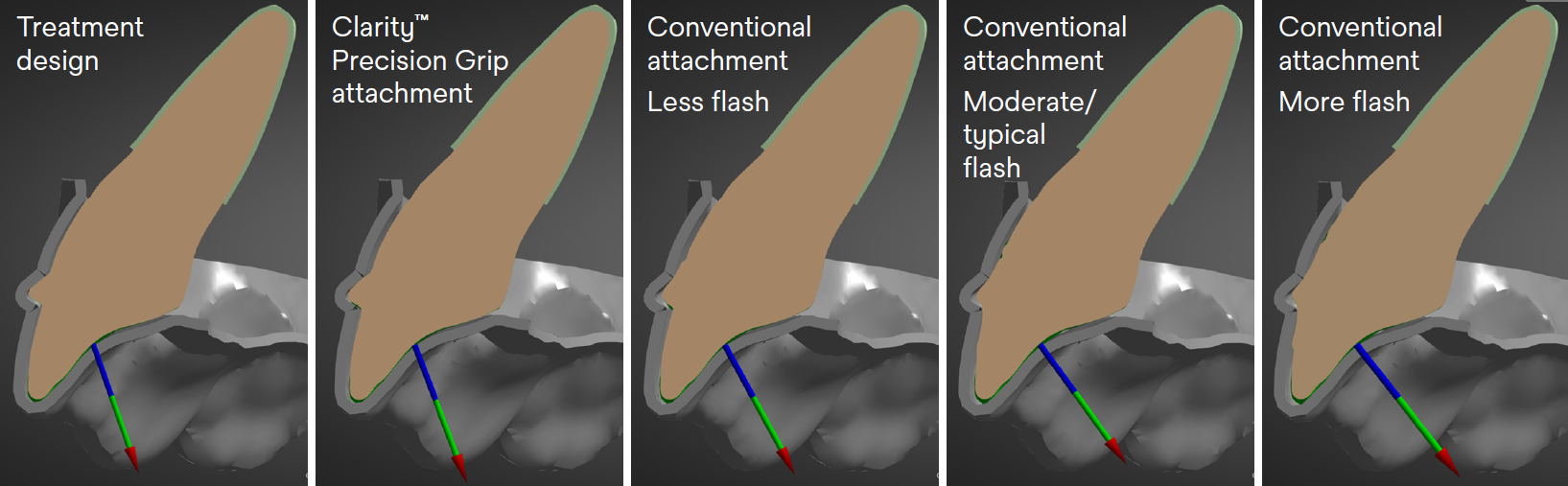
Figure 8: Cross-sections of target tooth (UL1 undergoing relative extrusion) with varying amounts of flash.
Force and moment reactions on the crown-aligner contact are plotted in Figure 9. With decreasing flash, the direction of the reaction force approached that of the treatment design.
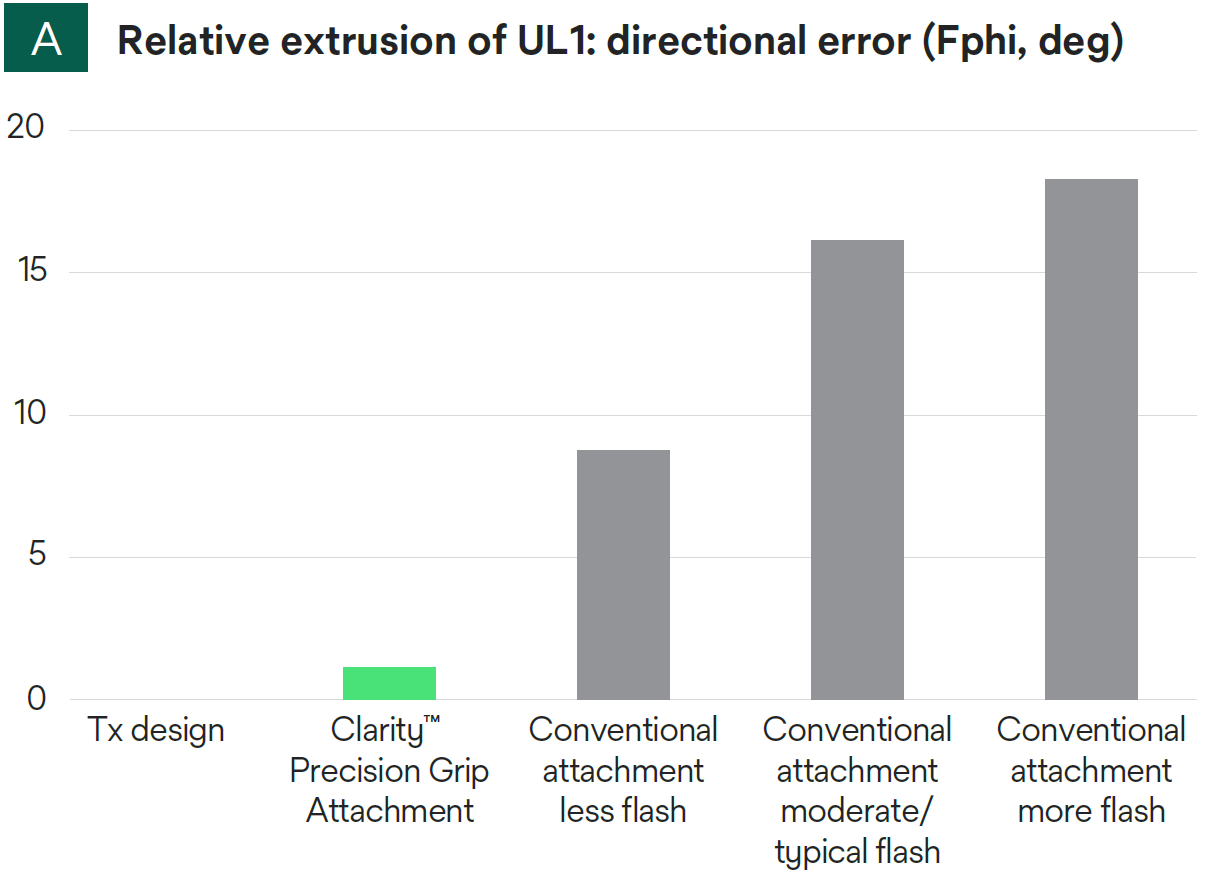
Figure 9: (a) The FEA result for Fphi for the relative extrusion case is shown for a Tx design attachment, Clarity Precision Grip Attachment, and conventional attachments with varying flash amounts. The coordinate system was rotated such that Fphi = 0 for the Tx design attachment. A spherical coordinate system with the mathematics convention was used.
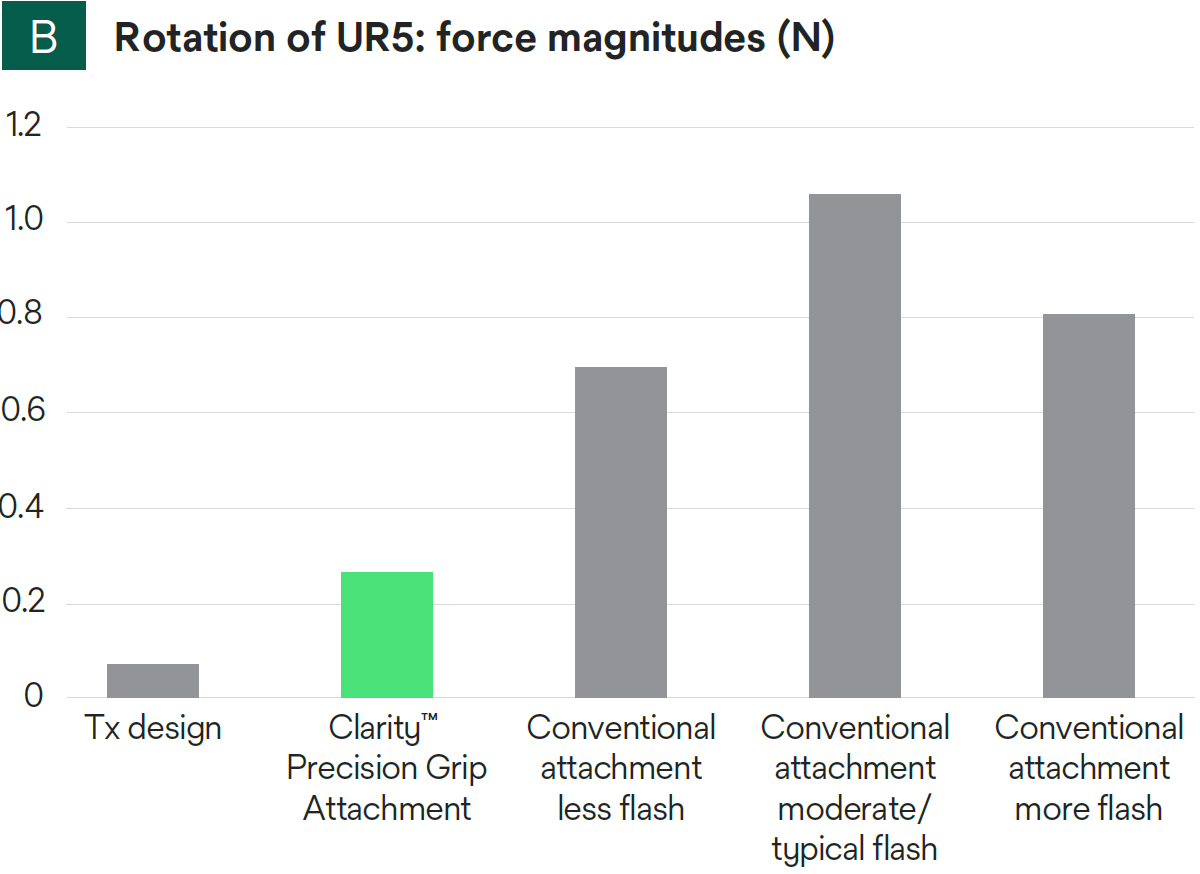
(b) Force magnitude results for the 1st order rotation case. For pure
rotation, no net force is desired, only a pure moment. Clarity Precision Grip Attachments force magnitudes were closest to the Tx design attachment force magnitudes.
For both scenarios, Clarity Precision Grip Attachments exhibited forces closest to the treatment design. These results confirm the hypothesis that minimizing flash on attachments results in force systems closer to the treatment design.
The methodology developed provides a basis for precise and objective comparisons between different attachment types and bonding techniques. By eliminating the need to fill attachment wells, Clarity Precision Grip Attachments address a key pain point of conventional attachments and result in a 67% reduction in the maximum flash layer thickness. In addition to the esthetic benefits this affords, the negative impacts of flash can be quantified as well. FEA results show that aligner engagement and the force and moment systems are closer to the digital treatment design for Clarity Precision Grip Attachments than for conventional attachments, including up to an 18 degree difference in Fphi for relative extrusion. In general, the aligner simulations show that Clarity Precision
Grip Attachment force systems more closely match the treatment plan. By eliminating composite flash, Clarity Precision Grip Attachments and their bonding protocol reduce the negative effects associated with flash.
REFERENCES
Solventum authors: