




Solventum
Mar 5, 2026
/ Why prioritise versatility?
March 23, 2026
When assessing new materials to add to a clinician’s armoury, there are many elements to consider and prioritise. A successful restoration relies on the longevity of its materials, as well as its biocompatibility, and its ability to match or enhance the aesthetics of the existing dentition.
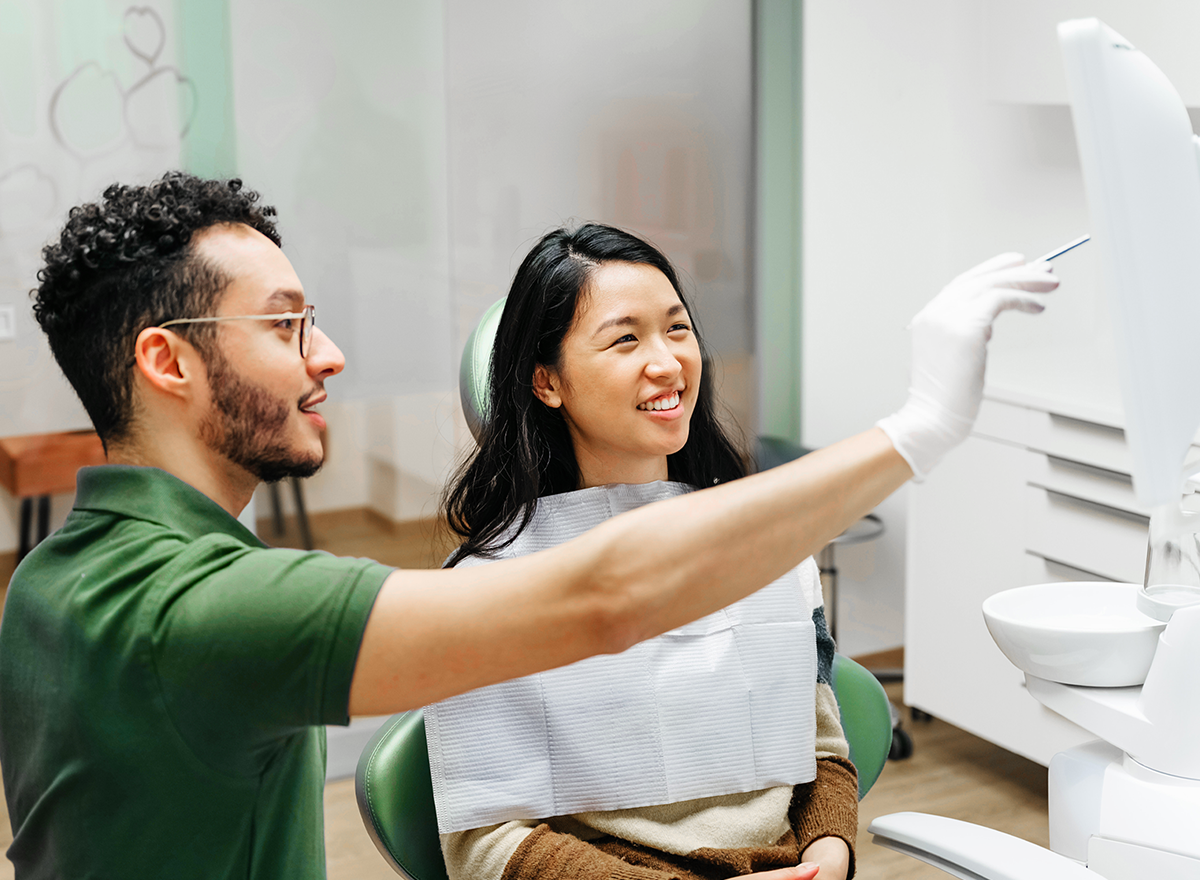
Dental professionals see a range of cases every day, varying widely in patient need and treatment complexity. It is not feasible or advantageous to keep an exorbitantly wide variety of solutions on hand, each providing a specialised use, as this results in items lying dormant as they wait for a time to shine – many may go unused or require disposal, while complicating inventory organisation. To avoid these challenges, clinicians could focus on finding materials that prioritise versatility without compromising on quality.
It’s important to look at the bigger picture, and understand how versatile restorative materials can benefit everything from patient outcomes, to waste management and clinical confidence.
Versatility has a number of meanings for restorative materials; one item could be applied across small and large restorations, another may provide a seamless finish for a wider array of aesthetic demands.
Biocompatibility is a key example of adaptability, meaning materials are designed to support as many patients as possible. Avoiding a toxic or harmful response to materials placed in the mouth, or complete immunological rejection, is needed for both short-term and long-term success, as well as maintaining the health of the patient.i The clinical team is also at risk of adverse effects from some biomaterials.i For this reason, ensuring all chosen solutions are low or non-toxic agents is vital, and screening tests should be used before clinical application.i A solution that can work with many different patients is ideal, as clinicians have confidence that their care will be effective and safe.
A versatile restorative solution may offer additional benefits, for example, by displaying optimal aesthetics despite a narrowed selection of shade options. High-quality solutions may be able to create the visual effect of multiple shades from the classical VITA shade guide in a single option. This streamlines the treatment process, with clinicians needing to choose from fewer solutions for the same exceptional result. The determination of tooth shade is a vital step in aesthetic restorative care, but factors including the dentist’s experience, eye fatigue, background conditions and ambient light can all affect the clinical assessment.ii If a restorative material can create optimal aesthetics for a number of tooth shades, the risk of incorrect shade selection is reduced, and this risk depletes further as the versatility of the solution increases.
Dental care produces a high volume of waste with every treatment. From disposable PPE to wasted materials, it’s important to manage each item with care, but it’s also important to assess how the amount that is disposed of can be reduced.
As mentioned, a benefit of versatile restorative materials is the ability to reduce inventory, as a multitude of challenges are solved by a selection of effective solutions. With a smaller inventory, there is a reduced risk of letting materials expire before being completely used, or left untouched entirely.
Not only can this a reduced inventory have environmental benefits by reducing the waste headed for landfill or alternative disposal methods, but practices may save money too, by minimising the cost of wasted items that could be better invested in trusted items with a near guaranteed application.
Most importantly, an adaptable dental restorative material may offer advantages in a number of complex cases. A treatment may be more challenging depending on the size of restoration needed, or the variety of aesthetic factors to consider. With a trusted, versatile solution, dental professionals can tackle a larger range of cases with confidence, meaning they are always ready to support patients in need.
Solventum, formerly 3M Health Care, provides a range of leading restorative materials that offer versatile application without compromising results, such as the 3M™ Filtek™ Easy Match Universal Restorative. The solution is powered by a naturally-adaptive opacity, and features just three shades – Bright, Natural and Warm – which produce results spanning the entire classical VITA shade guide. The adaptive opacity shows an enamel-like translucency at the bevel and incisal edge, and creates a dentine-like appearance at a thickness greater than 2mm. For confidence in simplified aesthetic restorations, choose Solventum.
The ability to adapt a restorative material to a wide range of clinical situations is key for predictable, effective care. Clinicians should consider the versatility of solutions when looking to update the options available to them, for a myriad of advantages.
To learn more about Solventum, please visit here.
For more updates on trends, information and events follow us on Instagram at @solventumdentalUK and @solventumorthodonticsemea.

Become a part of our Brain Floss blog family and share your clinical case, your insights and your skills with this great community .
We are looking forward to hearing from you!!
©Solventum 2024. Solventum, the S logo and Filtek are trademarks of Solventum and its affiliates. 3M is a trademark of 3M company.
[i] Shahi, S., Özcan, M., Maleki Dizaj, S., Sharifi, S., Al-Haj Husain, N., Eftekhari, A., & Ahmadian, E. (2019). A review on potential toxicity of dental material and screening their biocompatibility. Toxicology mechanisms and methods, 29(5), 368-377.
[ii] Nantanapiboon, D., Kamnoedboon, P., & Srinivasan, M. (2024). Impact of different lighting conditions on the tooth-shade selection using intra-oral scanners: An in-vitro study. Heliyon, 10(19).