


Brain of the week
Oct 14, 2026
/ Every case begins with a challenge. How would you solve it?
October 26, 2026
No two clinical cases are exactly alike. Even when clinicians face a similar restorative challenge, the treatment approach may differ depending on the remaining tooth structure, restorative requirements and clinical situation.
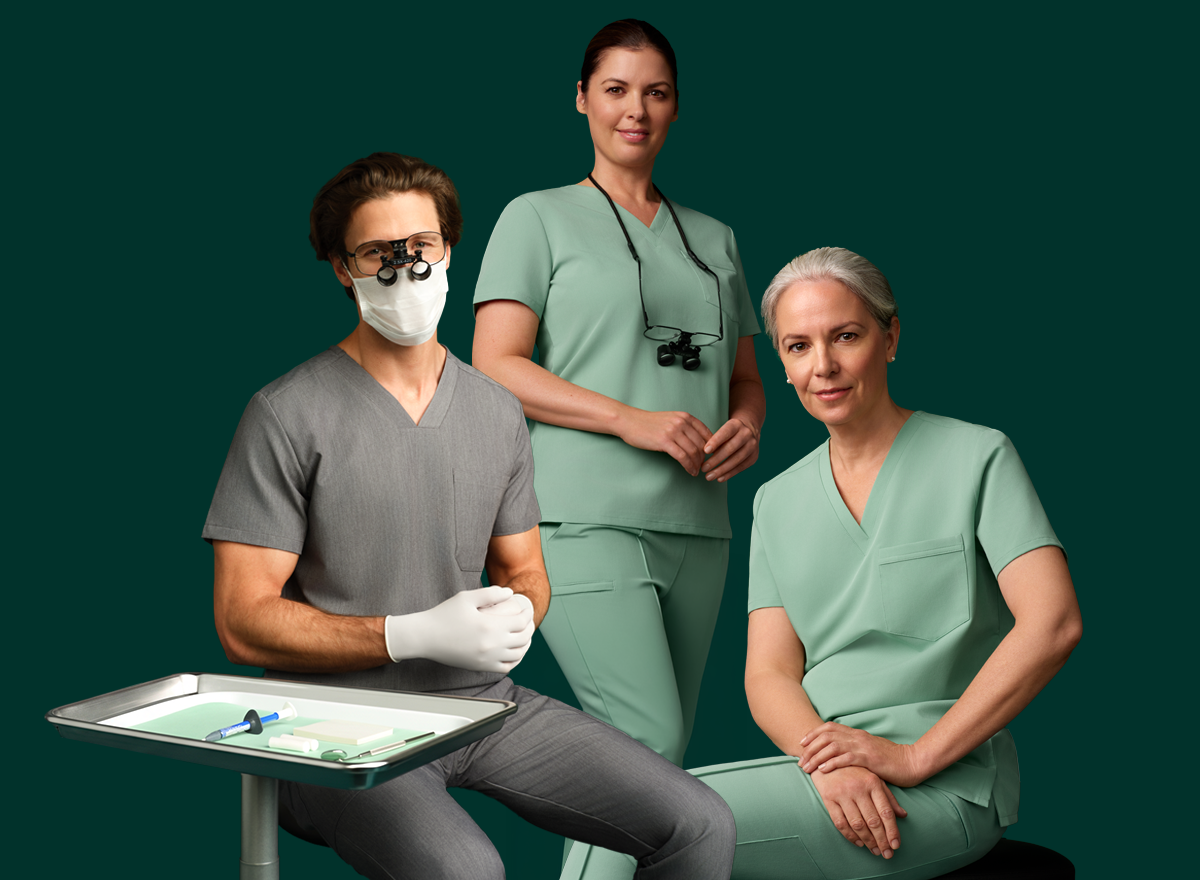
So, when should you preserve, when should you restore, and when is a more extensive approach required?
Whenever clinically appropriate, additive and minimally invasive dentistry can help preserve as much natural tooth structure as possible clinicians tend to lean on a minimally invasive approach.
Achieving this requires more than a conservative treatment philosophy. Clinicians also need restorative materials that provide the versatility to manage different clinical situations, including bonding to enamel and dentine, and treating caries-affected tissue considered appropriate to preserve.
Sadly not every tooth can be managed with a minimally invasive restoration. When a tooth is severely compromised, an indirect restoration such as a crown may be the most appropriate treatment option, making the choice of adhesive and restorative protocol particularly important.
In other cases, much of the natural tooth can still be preserved, but a larger direct composite restoration may be needed. Here, clinicians must consider factors such as depth of cure, aesthetics and the ability of the restoration to withstand occlusal loads.
The clinical challenge may be similar. The approach does not always have to be.
Explore five real clinical cases approached by different clinicians using Solventum™ Filtek™ Easy Match Flowable Restorative.
See how each clinician assessed the challenge, discover the approach they selected and consider how you might have treated the same case.
Enter our Clinical Treasure Chest